Cost Guides9 min read
Water Softener Cost in Lubbock, TX: Hard Water, Sizing & Prices (2026)
What a water softener costs in Lubbock in 2026: installed prices by system type, how the city's hard water changes sizing and salt cost, softener vs reverse osmosis, and permits.
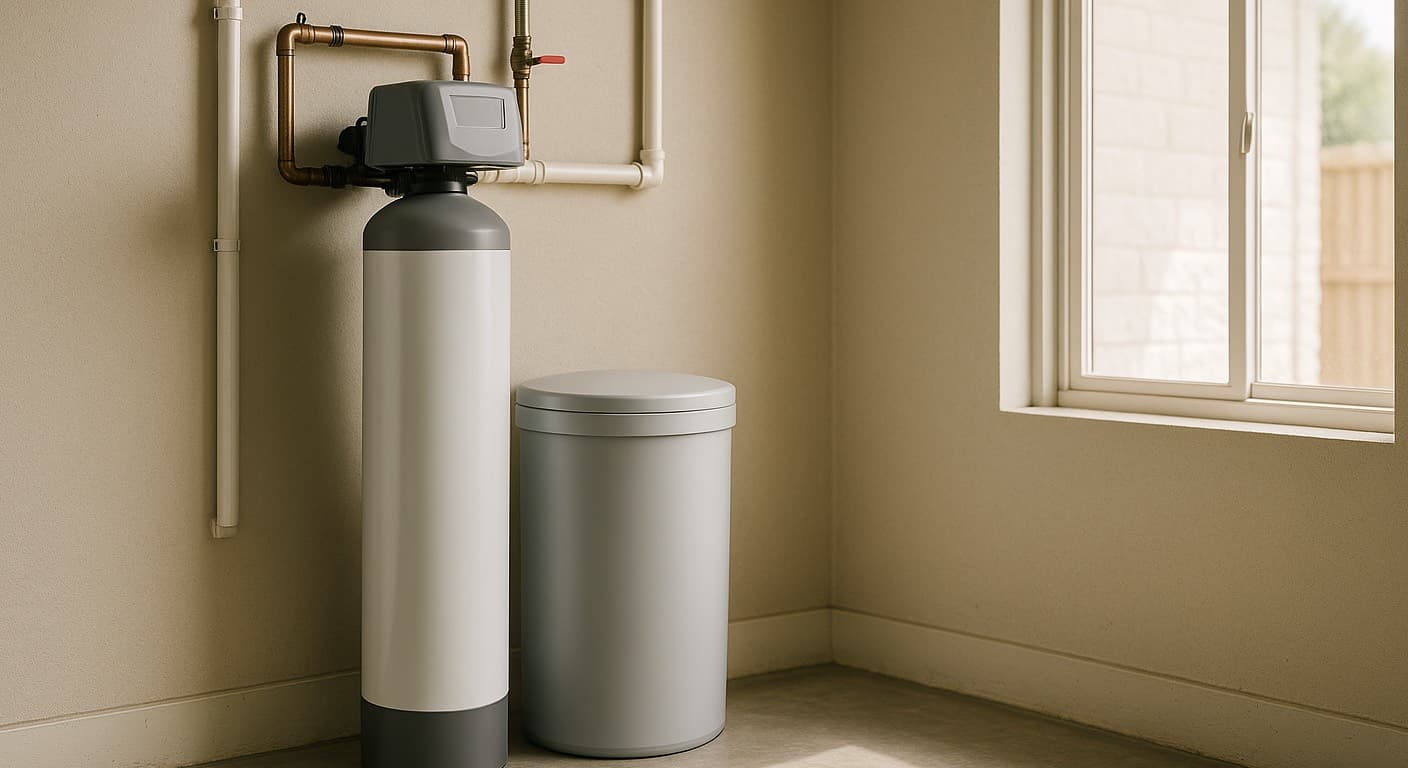
Most water softeners in Lubbock run between $1,200 and $3,800 installed in 2026. A basic single-tank salt system lands near the low end, while a dual-tank system sized for a big family on the hardest water lands near the top, and the full range across every system type stretches from about $800 to $6,000. The reason this matters here is the water itself. Lubbock's tap water is hard, about 10 to 11 grains per gallon on average in the City's recent water reports and higher from some sources, so a softener is less of a luxury and more of a way to protect the plumbing, water heater, and fixtures you already paid for.
On this page
- 01What a Water Softener Costs in Lubbock (2026)
- 02Which System Fits Lubbock Water
- 03The Lubbock Factor: Just How Hard the Water Is
- 04Sizing a Softener for Lubbock
- 05Ongoing Cost: Salt, Filters, and Lifespan
- 06Softener or Reverse Osmosis: Which You Actually Need
- 07Installation and Permits in Lubbock
- 08A Note from Nextgen Blueprint
- 09Frequently asked questions
What a Water Softener Costs in Lubbock (2026)
Price tracks the system type and how much capacity you need, and in Lubbock the capacity question is bigger than usual because the water is so hard. The ranges below are 2026 installed prices, meaning the unit plus professional installation. Lubbock labor sits a little below the big Texas metros, which keeps local installs toward the lower end of national labor figures, but the hard water often pushes homeowners into a larger unit, which adds back to the total.
- Typical installed range
- $1,200 to $3,800
- Unit alone (single tank)
- $500 to $1,500
- Professional install labor
- $500 to $1,700
| System type | Installed cost | What it covers |
|---|---|---|
| Salt-based, single tank | $1,000 to $3,000 | The standard whole-home softener, 24,000 to 40,000 grains |
| Salt-based, dual tank | $2,500 to $6,000 | Twin tanks for soft water around the clock, 48,000 to 80,000 grains |
| Salt-free conditioner | $800 to $4,000 | Scale control, does not actually remove hardness |
| Whole-house reverse osmosis | $6,000 to $12,000 | Complete system with softener and carbon pretreatment; removes most dissolved solids |
Which System Fits Lubbock Water
The three options are not interchangeable, and on water as hard as Lubbock's the difference matters. A salt-based ion-exchange softener is the only one of the three that actually removes hardness. It swaps the calcium and magnesium that cause scale for a small amount of sodium, cutting hardness by around 97 percent. This is the system most Lubbock homes need, because conditioning alone struggles on water this hard. A single-tank unit softens until it regenerates, usually overnight, while a dual-tank unit keeps one tank online while the other regenerates so you never run out of soft water, which is worth it for larger households or very hard supplies. A salt-free conditioner does not remove hardness at all. It changes the structure of the minerals so they are less likely to stick as scale, uses no salt, and needs little maintenance, but on Lubbock's hard water the results are less dramatic than a true softener, so set expectations before paying for one. A reverse osmosis system is a different tool again, covered further down.
The Lubbock Factor: Just How Hard the Water Is
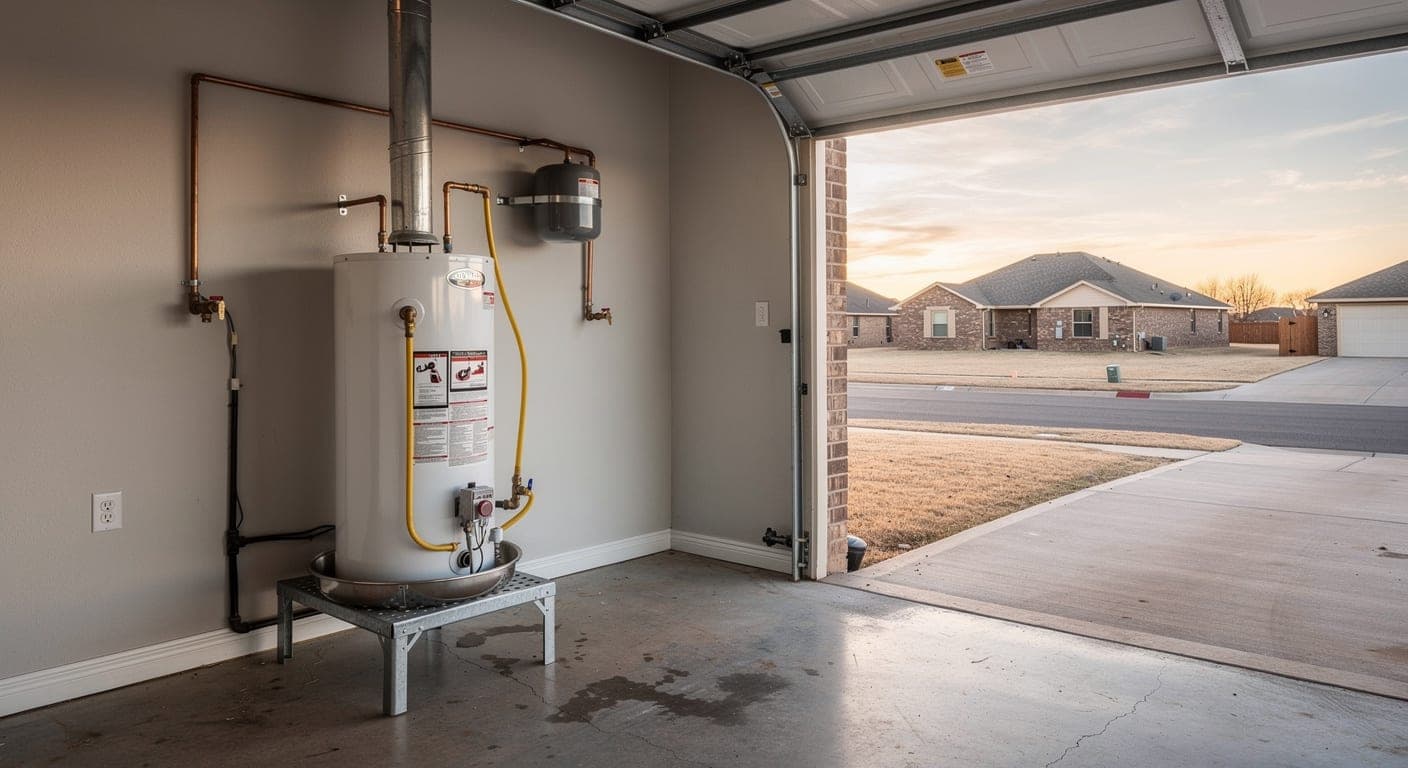
This is the part a national cost calculator will never tell you. Lubbock's tap water is hard. The City's 2025 water quality report averaged 169 parts per million of hardness, about 10 grains per gallon, with individual samples from 81 to 244 ppm, and the 2024 report averaged 192 ppm, about 11 grains, with samples up to 264. Dissolved solids averaged 633 ppm in 2025 and 811 ppm in 2024. For reference, the USGS classes water above 120 ppm (7 grains) as hard and above 180 ppm (10.5 grains) as very hard, so Lubbock sits right around that line and crosses it whenever the groundwater share of the blend climbs. The reason is geology. The city pulls most of its water from the Ogallala Aquifer through the Roberts County and Bailey County well fields, blended with surface water from Lake Alan Henry and Lake Meredith. As that groundwater moves through limestone, chalk, and gypsum, it picks up the calcium and magnesium that make it hard. You feel it as scale in the pipes and water heater, spotting and film on fixtures and glass, soap that will not lather, and laundry that comes out stiff. For a softener, hardness this high has two cost effects. First, you need more capacity, because the system works through its softening resin faster between regenerations. Second, it regenerates more often and uses more salt, so the yearly running cost sits at the higher end of the national range. We cover the same hard-water issue in our healthy living construction and bathroom remodel cost guides. Our water heater replacement cost guide explains what this scale does to tank and tankless heaters.
- Lubbock hardness (2025 avg.)
- 169 ppm, about 10 gpg
- Dissolved solids (2025 avg.)
- 633 ppm
- Very hard threshold
- above 10.5 gpg
Sizing a Softener for Lubbock
Sizing is where Lubbock homeowners most often get bad advice, usually a unit that is too small. The standard math multiplies the number of people in the home by daily water use, around 75 to 90 gallons each, by the hardness in grains per gallon, which gives the grains you remove per day. Run it for a typical Lubbock home: four people, about 80 gallons each, sized at 14 grains, a cautious figure above the city average because the blend shifts through the year. That works out to about 4,500 grains per day, or roughly 31,000 grains across a week between regenerations, which points most homes here to a 40,000 to 48,000 grain unit. A bigger family, or a measured hardness on the high side, pushes you to a dual-tank or a 64,000 grain system. Test your own tap before you buy, because an undersized softener regenerates constantly, burns through salt, and wears out sooner.
Ongoing Cost: Salt, Filters, and Lifespan
A softener is not a one-time cost. Plan for salt and the occasional filter, and plan to replace the unit eventually.
- Salt and sediment filters run about $40 to $100 a year for a salt-based system, with broader maintenance estimates of $150 to $300 a year once you include occasional service.
- A salt-free conditioner runs about $40 to $120 a year, mostly sediment filters, since it uses no salt.
- You refill salt roughly every six to eight weeks. In Lubbock, expect the shorter end of that, because the harder the water, the more often the system regenerates.
- Most salt-based softeners last 10 to 15 years.
Softener or Reverse Osmosis: Which You Actually Need
This is the most common question, and the honest answer is that they do different jobs. A softener protects your plumbing, water heater, and appliances from scale across the whole house. A reverse osmosis system makes a smaller amount of very clean drinking water and removes contaminants a softener does not touch, including most dissolved solids. A complete whole-house RO system, with the softener and carbon pretreatment it needs, runs about $6,000 to $12,000 installed, needs filter changes every six to twelve months, costs several hundred dollars a year to maintain, and sends water down the drain as it works: EPA figures put a typical under-sink unit at five or more gallons of reject water per gallon made, and WaterSense-labeled units at 2.3 or less. That waste is why most homes do not run entirely on RO. The common setup in Lubbock is a whole-house softener plus a small RO unit at the kitchen sink for drinking and cooking, and the softener also protects the RO membrane, so the two work well together. If your only goal is better drinking water, an under-sink RO is the cheaper starting point. If your goal is protecting the house from scale, you want a softener.
Installation and Permits in Lubbock
What you pay to install depends on what the plumbing already looks like. Many newer Lubbock homes are pre-plumbed with a softener loop in the garage, which makes the install quick and keeps it at the low end. Older homes without a loop need a plumber to tie into the main line and run a drain for the regeneration cycle, which adds labor. A nearby drain and a power outlet keep the job simple, and the further the system sits from both, the more the install costs. The City of Lubbock requires a plumbing permit for the connection work, and the work is inspected. A reputable plumber pulls that permit as part of the job, so confirm it is included in your written quote rather than assuming it. Most installs take a few hours once the plumbing is accessible.
A Note from Nextgen Blueprint
This guide was researched and published by Nextgen Blueprint, a Lubbock general contractor whose plumbing team installs and services water softeners. Treat the numbers here as 2026 Lubbock-market ranges to budget with, not a quote, since the real figure depends on your water hardness, household size, and how your home is plumbed. The pricing and water-quality figures were accurate as of June 2026. Always get a written, itemized estimate from a local pro before you commit.
Frequently asked questions
How much does a water softener cost in Lubbock, TX?
Is a water softener worth it in Lubbock?
What size water softener do I need in Lubbock?
Salt-based or salt-free for Lubbock's hard water?
Do I need both a water softener and reverse osmosis?
How much salt does a water softener use in Lubbock?
Do I need a permit to install a water softener in Lubbock?
How long does a water softener last?
Written by
John Paul, Founder, Nextgen Blueprint
John Paul founded Nextgen Blueprint with his father-in-law, a Lubbock-area general contractor with 30+ years of experience. They build healthy, natural homes for Lubbock families, and approach every project with the kind of care and attention to detail most contractors save for their own home.
More from JohnRelated services
Filed under Cost Guides. What home projects actually cost in Lubbock, line by line.