Skip to content
NextgenBlueprintDesign · Build · Lubbock

I-101Interiors & Trades

Drywall Patching and Repair in Lubbock, TX

Texture-matched drywall repairs, from nail holes to water-damaged ceilings.

Patching drywall is simple. Making the repair blend into the texture and paint around it is the skilled part. We fix everything from anchor holes to water-damaged ceilings and recurring foundation cracks, match orange peel, knockdown, and smooth finishes, and prime and paint with zero-VOC products.

Taping knife spreading joint compound over a drywall patch on a textured wall, with a mud pan and sanding sponge on a drop cloth below
Typical range
$200 to $600
Timeline
1 to 2 days, including dry time
Estimate
Free, under 60 seconds
Service area
Lubbock + 50 mi

01Why Nextgen Blueprint

Drywall Patching, done once and done right.

  1. 01

    Texture Tested Before It Goes On

    Orange peel, knockdown, skip trowel, and smooth walls each need a different technique. We test the match on a sample board first, then blend it past the repair.

  2. 02

    The Cause Gets Fixed First

    A crack from a moving slab or a stain from a slow leak comes back if only the drywall is repaired. We find the source, and we can repair that too.

  3. 03

    Low-Dust, Zero-VOC Finish Work

    Low-dust compounds, covered floors and furniture, and zero-VOC primer and paint keep the work area clean and the paint odor low.

  4. 04

    Priced Up Front, Any Size

    From one doorknob hole to a full wall, you can get a free instant ballpark online and a written quote before any work starts.

022026 Lubbock pricing

What it costs, line by line.

Typical repair visit. Stand-alone visits carry a $150 to $400 minimum, so small holes cost less when grouped into a larger visit.

Full cost guide

Drywall Repair Cost in Lubbock, TX: Holes, Cracks & Texture Matching (2026)

Read the breakdown
Typical 2026 installed ranges in the Lubbock market. Your written quote follows a site visit.
ServiceTypical cost
Service Visit and Small HolesNail pops, anchor holes, and dents up to about 1 inch. A stand-alone visit carries a minimum; bundled into a larger visit, a handful in one room adds about $75 to $150.$150 to $400 minimum
Medium Hole RepairFist-size holes and doorknob damage from about 2 to 6 inches, repaired with a new drywall patch, tape, and three coats.$150 to $400
Large Section RepairHoles over 6 inches up to a full 4 by 8 sheet, including plumbing or electrical access cuts, with new board on wood backing.$400 to $1,200
Crack and Joint RepairSettlement cracks, failed tape joints, and damaged corner bead, re-taped with paper tape and setting compound so they hold.$150 to $600
Water-Damaged DrywallWet or stained sections cut out after the leak is fixed, the cavity dried, and new board installed, with mold-resistant board in wet areas.$500 to $2,500
Ceiling RepairSagging panels, water spots, cracks, and holes, including popcorn patching once older texture has been tested for asbestos.$200 to $1,500
Texture MatchingOrange peel, knockdown, skip trowel, and smooth finishes blended across the repair and into the surrounding wall.$150 to $800
Full Wall ReplacementComplete sheet replacement for walls damaged beyond patching, finished and textured to match the room.$800 to $2,500+
Price my project

A ballpark in under a minute, no obligation.

03Site conditions

The Lubbock factor: what changes the job here.

Note 01

Foundation Movement and Repeat Cracks

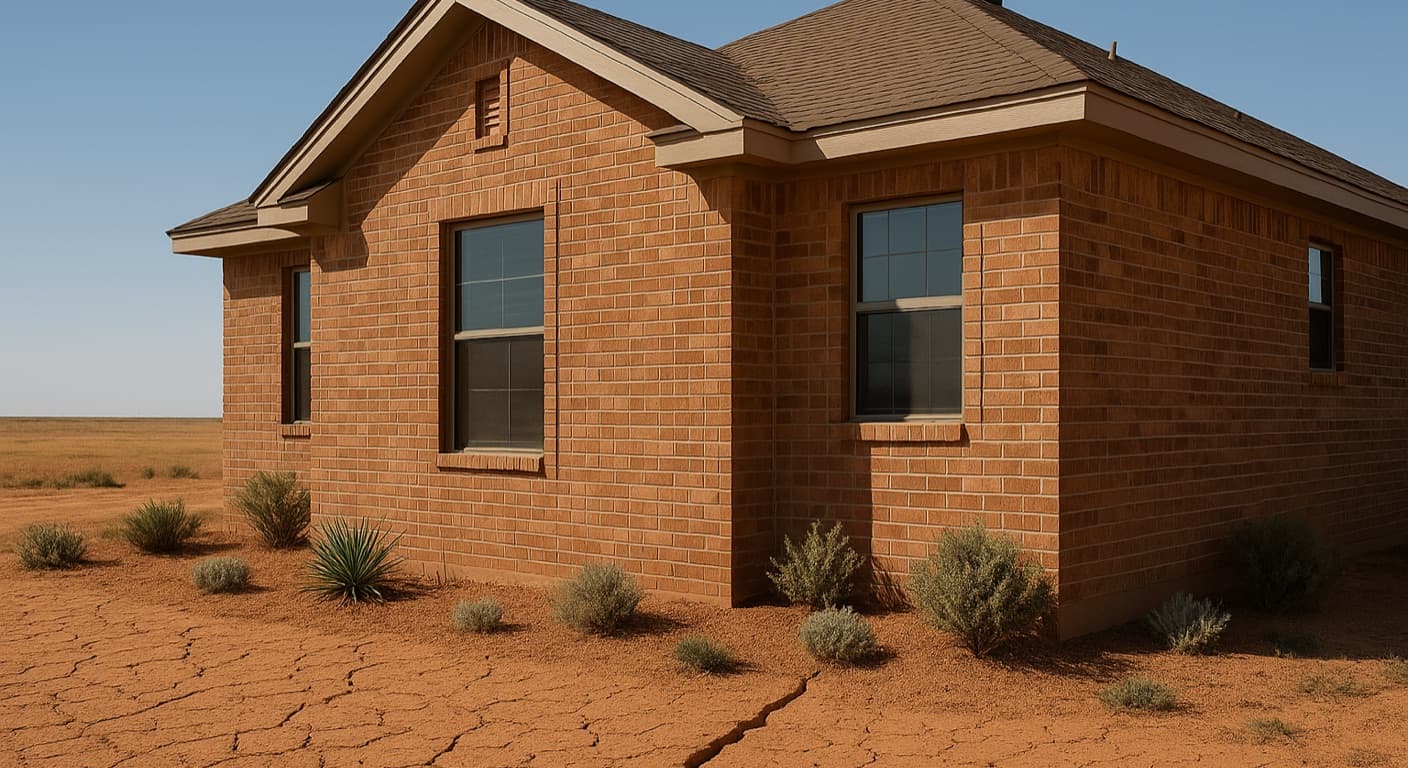
Clay soil movement under Lubbock slabs shows up as diagonal cracks above doors and windows. Patching those without checking the foundation usually means patching them again, so we read the crack pattern first.

Note 02

Dry Air and Fast-Drying Compound

Low humidity dries joint compound quickly, which speeds the job but can cause shrinkage and cracking when coats go on too heavy. We use thin coats, and setting-type compound for deeper fills.

Note 03

Spring Storms and Ceiling Stains

Hail and wind from April through June damage roofs, and the first sign is often a stain on the ceiling below. The roof gets fixed first, then the wet drywall is dried, cut out, and replaced.

Patch, Section Repair, or Replacement

The right repair depends on the size of the damage and what caused it. Nail holes and dents up to about an inch only need filler, sanding, and spot primer. Holes from about 2 to 6 inches need a backed patch, either a piece of drywall set into the hole or a patch with a paper flange, finished with several thin coats. Anything larger is cut back to a clean rectangle, and a new piece is fastened to the studs or to wood backing, then taped and finished like new drywall.

Full replacement makes sense when damage runs across most of a wall, when board has been soaked, or when a wall has been patched so many times that another patch will not flatten out. Our drywall repair cost guide walks through pricing by repair type. The repairs we see most often include:

  • Doorknob holes, furniture dings, and anchor holes from mounted TVs and shelves.
  • Access cuts left behind by plumbing, electrical, or HVAC work.
  • Cracks at door and window corners from foundation movement.
  • Tape joints that bubble, peel, or crack, and dented or cracked corner bead.
  • Water stains and soft spots from roof, plumbing, or AC condensate leaks.
  • Nail pops, where fasteners push through the surface as framing dries and shifts.

Matching Orange Peel, Knockdown, and Smooth Walls

Getting a patch flat is the easy part. Making it blend into the wall around it takes texture and paint work. Orange peel is sprayed on as a fine spatter. Knockdown is sprayed heavier and flattened with a wide knife minutes later. Skip trowel is applied by hand with a curved trowel. Smooth walls, including Level 5 finishes, need the patch feathered and skimmed wide so no edge shows in side light.

We match the spray pattern and thickness on a sample board, then blend the texture past the edges of the repair so there is no visible border. Paint is the last trap. Touch-up paint rarely matches paint that has aged on the wall for years, so we usually repaint the full wall from corner to corner, typically $200 to $500, with primer over the patch first so the sheen does not flash.

Water Damage and Cracks: Fix the Cause First

A patch over an active problem is a short-term fix. With water damage, the leak gets repaired first, whether it is a roof leak after a hail storm, a supply line, or an AC drain pan, and the wall cavity is dried and checked with a moisture meter before new board goes in. Wet drywall is cut out rather than dried in place, and bathrooms, laundry rooms, and walls near plumbing get moisture- and mold-resistant board. EPA guidance treats mold growth larger than about 10 square feet as more than a simple cleanup, so that goes to a remediation specialist before anything is rebuilt.

Cracks that keep returning above doors and windows usually mean the foundation is still moving. We re-tape those with paper tape and setting compound, which holds far better than filler, but if the pattern points to active movement we will recommend a foundation inspection first. Because our team also handles plumbing repair and foundation repair, the cause and the cosmetic fix can be one job.

07Our process

How a drywall patching job runs with us.

  1. 01

    Assess

    We look at the damage, find the cause, and confirm the repair method and texture before quoting.

  2. 02

    Protect and Prep

    Floors and furniture are covered, and damaged material is cut back to clean, solid edges.

  3. 03

    Repair

    New drywall or a backed patch goes in, followed by tape and several thin coats of compound.

  4. 04

    Texture

    The existing texture is matched on a sample board, then applied and blended past the repair.

  5. 05

    Prime and Paint

    The area is sanded, primed, and painted with zero-VOC paint, usually corner to corner so the wall reads as one surface.

FAQQuestions

Drywall Patching questions.

How much does drywall repair cost in Lubbock?

Most drywall repairs in Lubbock cost $200 to $600 in 2026. Doorknob and fist-size holes run $150 to $400, cracks and damaged corner bead $150 to $600, and large sections up to a full sheet $400 to $1,200. Ceiling water damage typically costs $500 to $2,500, and a whole wall $800 to $2,500 or more. Most pros charge a $150 to $400 minimum per visit, so small holes cost least when grouped with other repairs.

How long does drywall patching take?

The hands-on work for a small patch takes an hour or two, but compound needs to dry between coats, and texture and paint come after that. Most repairs are finished in one to two days, including dry time. Larger sections, ceilings, and water damage can take two to three days, especially when the wall cavity has to dry out before new board goes in.

Can you match my existing wall texture?

Yes. We match orange peel, knockdown, skip trowel, and smooth finishes, including Level 5 walls. The texture is tested on a sample board to dial in the spray pattern and thickness, then blended past the edges of the repair. Because paint ages on the wall, we usually repaint the whole wall from corner to corner, which keeps a good patch from showing up as a slightly different shade.

Do you repair water-damaged drywall and ceilings?

Yes. The leak has to be fixed first, whether it is the roof, a plumbing line, or an AC condensate drain. Then we cut out the wet board, dry the cavity and check it with a moisture meter, install new drywall, and texture and paint to match. Bathrooms and walls near plumbing get moisture- and mold-resistant board, and larger mold growth goes to a remediation specialist before we rebuild.

Why do the cracks above my doors keep coming back?

Diagonal cracks at the corners of doors and windows are the classic sign of foundation movement, which is common on Lubbock's expansive clay. Filling them with spackle or caulk lasts until the next wet-to-dry swing. A lasting repair re-tapes the crack with paper tape and setting compound, but if the cracks keep widening or doors are sticking, the foundation should be inspected before the wall is patched again.

Should I patch drywall myself or hire a pro?

Nail holes and small dents are reasonable do-it-yourself fixes. Holes larger than about 3 inches, ceilings, water-damaged sections, and anything that needs texture matching are where a professional repair pays off, because a patch that is flat, textured, and painted correctly is hard to get right the first time. Poor patches tend to show as a raised square or a shiny spot on the wall.

Does popcorn ceiling repair require asbestos testing?

If the texture went up before the 1980s, testing is the safe step before anyone scrapes, sands, or cuts it. EPA guidance is to have suspect material sampled by a trained professional before a renovation disturbs it, and to leave undamaged material alone otherwise. Once the test comes back clear, a popcorn patch or full removal can proceed. Texture applied more recently is usually asbestos-free.

RefFrom the journal

NextYour project

Start with a number, not a sales pitch.

Tell us what you are planning and get an honest ballpark range in under a minute. When you are ready, we will visit, measure, and put a written, itemized quote in your hands.

Project
Drywall Patching
Location
Lubbock, TX + 50 mi
Estimate
Free, under 60 seconds
Quote
Written and itemized