Expert Foundation Repair in Lubbock, TX
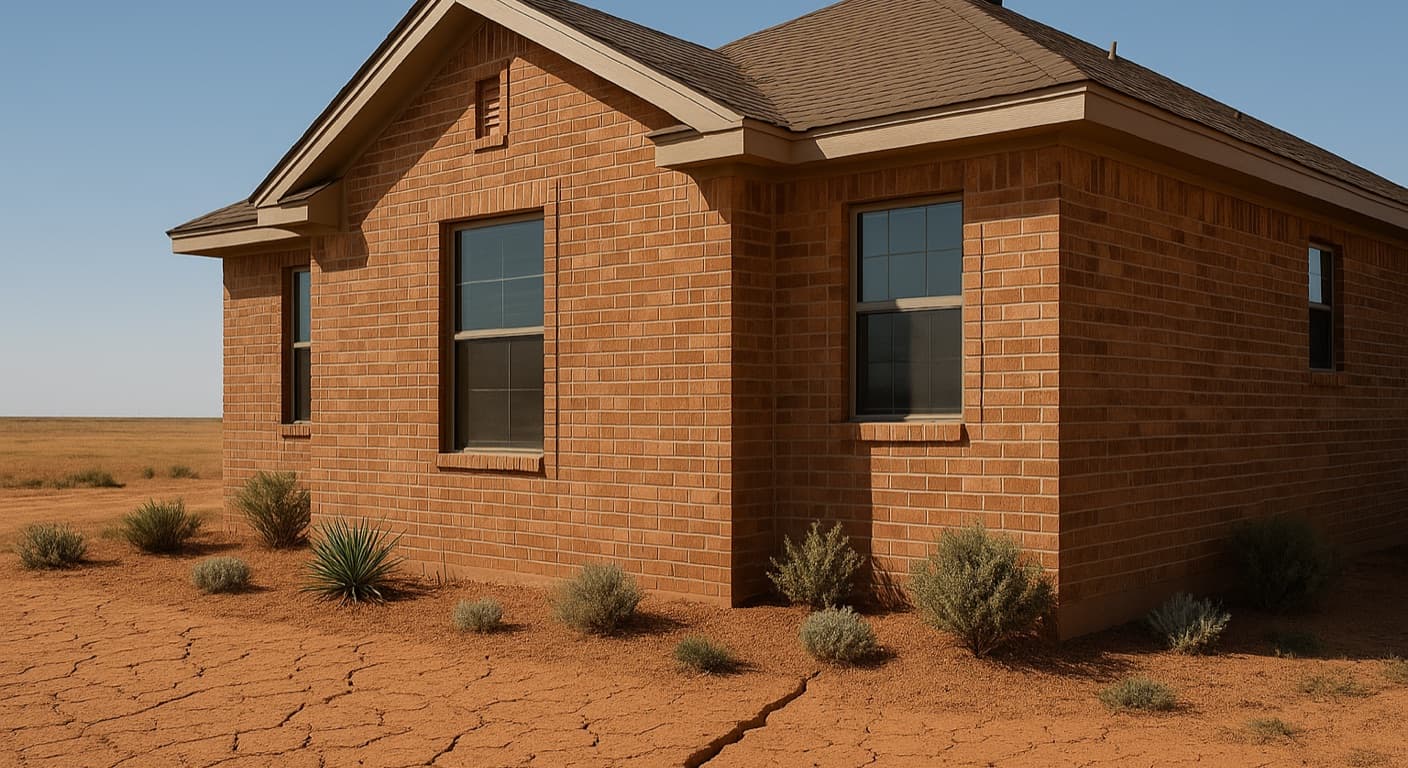
Lubbock's expansive clay soil moves more than almost any foundation in Texas. Our licensed foundation specialists diagnose, repair, and restore the drywall, doors, and flooring the movement damaged. One contractor, one job.
Why Choose Nextgen Blueprint for Foundation Repair?
West Texas Soil Expertise
Lubbock's Acuff and Olton clay soils behave differently than the rest of Texas. We diagnose with that in mind, not a one-size-fits-all script.
Diagnose Before We Quote
Free inspection comes first. We identify the cause (soil, drainage, plumbing leak, post-tension cable) before recommending a repair method.
Foundation + Restoration
Foundation specialists fix the slab and walk away. We're a general contractor, so we also repair the drywall, doors, and floors the movement damaged.
Transparent Pricing
Written estimate after the inspection. No high-pressure sales, no surprise add-ons. Every method, cost, and timeline explained upfront.
Foundation Repair Cost Guide
Real Lubbock-area pricing for every common repair method. Your exact cost depends on what we find during inspection.
Foundation Inspection
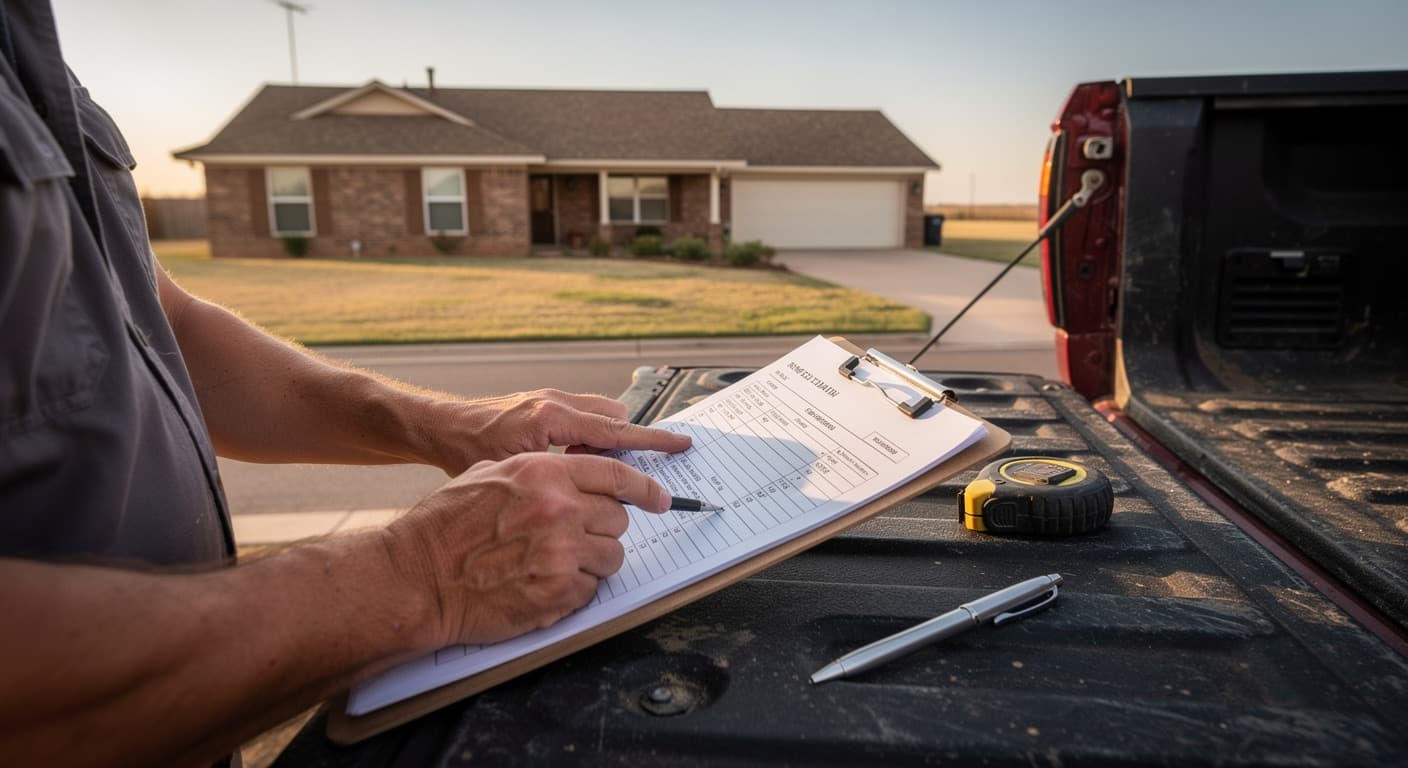
Free on-site visit. Soil read, structural walkthrough, written report. We diagnose before recommending any repair.
Foundation Crack Repair
Epoxy or polyurethane injection for cracks under 1/4 inch. Restores structural integrity and seals against moisture intrusion.
Slab Leveling (Mudjacking)
Pressure-injected cement slurry lifts and stabilizes settled concrete slabs. Best for driveways, sidewalks, and patios.
Polyurethane Foam Lifting
Expanding-foam injection lifts settled slabs with less weight than mudjacking. Cured in 15 minutes, minimal disruption.
Pier & Beam Adjustment
Re-shimming, sistering, and pier replacement for crawl-space foundations common in older Lubbock homes (Tech Terrace, Heart of Lubbock).
Helical Pier Installation
Steel piers driven to load-bearing strata, then bracketed to the foundation. The permanent fix for active slab movement.
Foundation Waterproofing
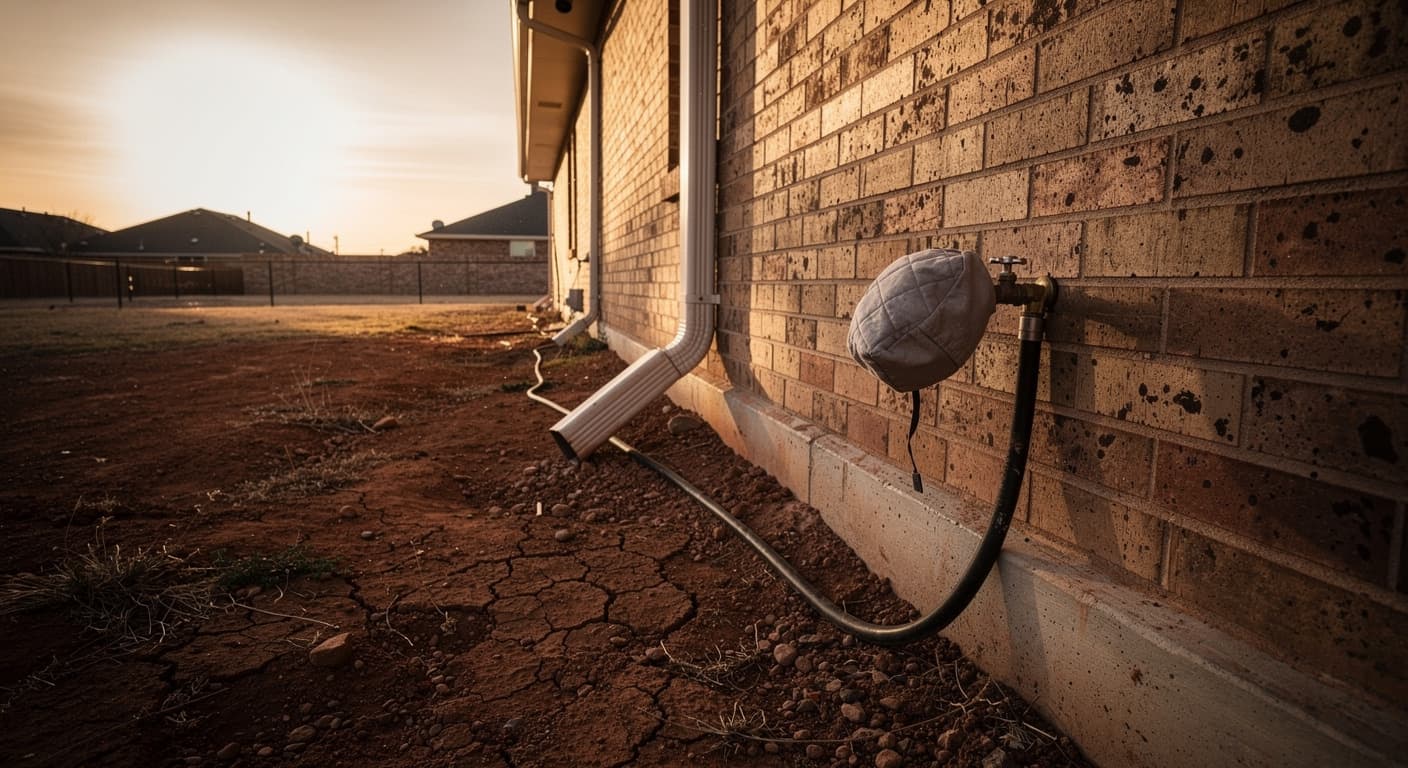
Exterior membrane, French drain, and grade correction to keep clay soil moisture levels stable around the perimeter.
Drainage & Grading
Surface and subsurface drainage corrections. Often the most cost-effective long-term fix when paired with leveling.
Our Foundation Repair Process
Inspect
Free on-site visit. Soil read, structural walkthrough, photo documentation, and a written report of what we found.
Diagnose
We identify the cause: soil movement, drainage failure, plumbing leak, or post-tension issue. The repair follows the cause.
Plan
Transparent quote with method options, timeline, and price. You see every line item before any work begins.
Repair
Structural work executed with minimal disruption. You stay in the home in almost every case.
Restore
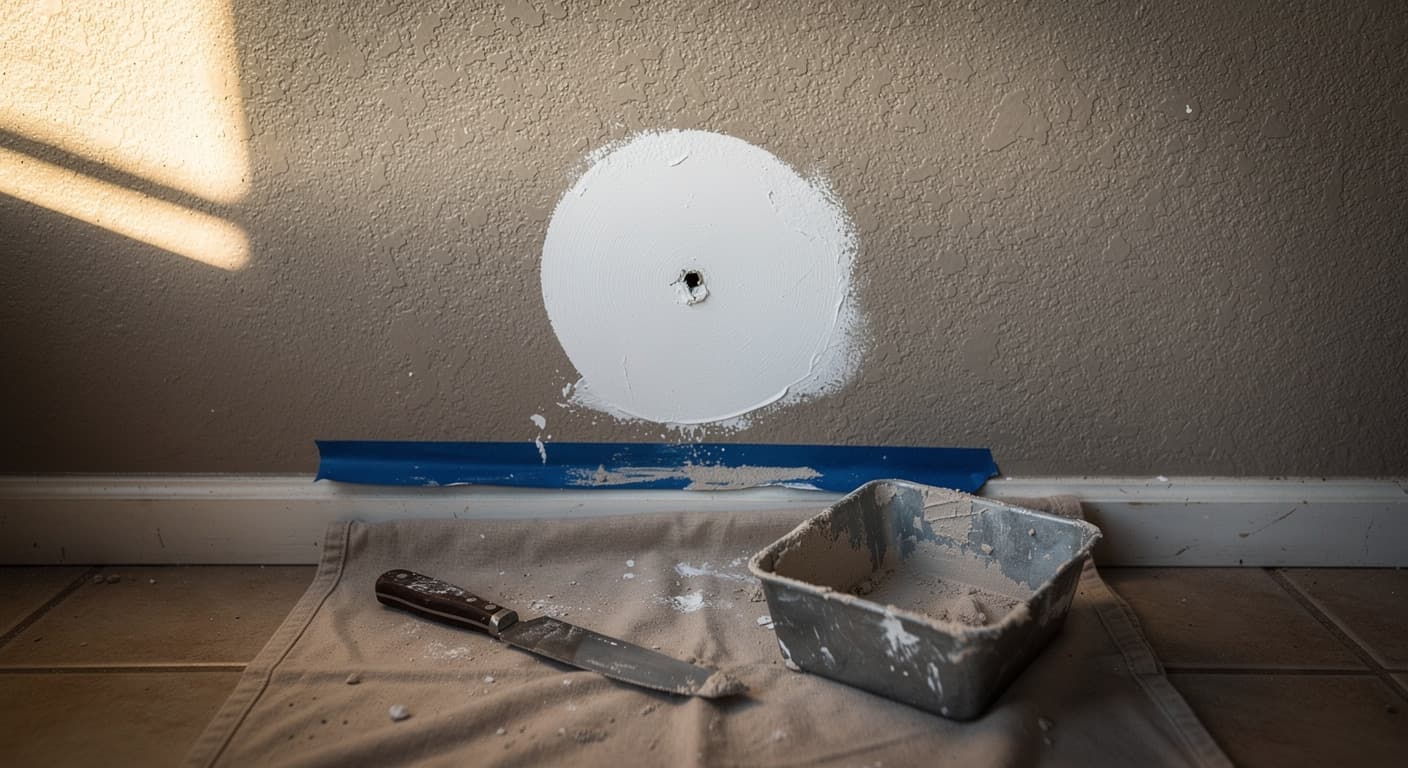
Drywall, paint, door re-hangs, trim, flooring. The GC advantage. One contractor handles the cosmetic damage too.
Why Lubbock Foundations Move
Most of Lubbock and the surrounding South Plains sits on the Pullman, Olton, and Acuff soil series. Pullman and Olton in particular have clayey subsoils with high shrink-swell potential (per USDA NRCS soil classifications). When that soil absorbs water from rain or a slow plumbing leak, it expands. When it dries out during West Texas drought, it contracts. Your foundation rides on top of that movement.
Most Texas metros deal with this seasonally. The High Plains deals with it in extremes. The 2022 to 2023 drought across West Texas (followed by erratic precipitation through 2024) drove some of the largest soil-moisture swings in the state. That is why even well-built Lubbock homes can show movement faster than homes in less expansive soil.
Slab vs. Pier-and-Beam in Lubbock Homes
Most Lubbock homes built from the 1970s onward sit on a poured slab-on-grade foundation, with post-tensioned slabs appearing in some newer (roughly 2000+) builds. Older Lubbock homes, especially in Tech Terrace and other pre-1970 neighborhoods, were typically built on pier-and-beam over a crawl space. The repair method differs significantly between the two:
- Slab homes typically use helical piers, push piers, or polyurethane foam lifting to re-level the slab from underneath.
- Pier-and-beam homes are re-leveled by shimming, sistering, or replacing the wood piers and beams in the crawl space (usually less invasive than slab work).
- Post-tensioned slabs require special care. Cables run inside the slab and cutting or drilling without a map can be dangerous and costly.
Signs Your Lubbock Home Needs Foundation Repair
Foundation problems rarely appear all at once. The earlier you catch movement, the cheaper the repair, and the less cosmetic damage you have to fix afterward. Watch for:
- Doors and windows that stick, won't latch, or have visible gaps at the top corners
- Diagonal cracks in interior drywall, especially above doorways and windows
- Stair-step cracks in brick veneer or mortar joints on the exterior
- Visible separation between brick, siding, and trim
- Floors that feel uneven, slope noticeably, or feel bouncy when walked across
- Cracks in the slab visible in the garage or unfinished basement
- Gaps between baseboards and floors, or between cabinets and walls
- Plumbing leaks or moisture concentrated under one part of the home
Foundation Repair Methods Explained
Different problems call for different fixes. Here's when each method is the right tool:
- Helical piers: steel piers screwed into load-bearing strata below the active soil zone, then bracketed to your foundation. One of two permanent pier options. Helical piers can both stabilize and lift, which makes them well suited to slab homes that need to be brought back toward original elevation.
- Push piers: steel piers hydraulically driven into the ground using the weight of your home as resistance until they reach a stable layer. Often preferred for heavier homes on deep expansive clay because they can be driven past the active soil zone. We choose between push and helical based on soil strata, home weight, and access.
- Polyurethane foam lifting: two-part expanding foam injected under settled slabs. Sets and becomes load-bearing in about 15 minutes (full chemical cure follows over hours). Lower weight than mudjacking, less disruptive, and ideal for driveways, walkways, and exterior slabs.
- Mudjacking (slab jacking): pressure-injected cement slurry lifts settled concrete. The traditional method, proven and inexpensive, but heavier than foam. Best for thick driveways and commercial slabs.
- Pier-and-beam adjustment: shimming and sistering the wood piers in your crawl space to bring the home back to level. Often the simplest fix for older Lubbock homes.
- Drainage correction: sometimes the foundation isn't the problem; uncontrolled water around the perimeter is. French drains, surface grading, and downspout extensions are often the cheapest long-term fix when paired with leveling.
What Happens After the Repair
Foundation movement doesn't just crack the foundation. It cracks the drywall, misaligns the doors, separates the trim, and sometimes lifts or buckles the flooring above. Foundation specialists fix the structural problem and leave. You're then on the hook to find a separate contractor to repair the cosmetic damage their work caused (and inevitably caused some new cracks during the lift).
As a general contractor, we handle both. After the structural work is complete, the same team patches the drywall, re-hangs the doors, refinishes the trim, and addresses any flooring issues. One contract. One point of contact. One walk-through at the end.
Foundation Repair FAQ
Worried About Your Foundation?
The free inspection takes about an hour and gives you a written report. No pressure, no obligation. Knowing what's actually happening is the cheapest decision you can make.