Cost Guides13 min read
Foundation Inspection Cost in Lubbock, TX: Engineer vs Free Inspection (2026)
What a foundation inspection costs in Lubbock in 2026: a structural engineer's evaluation vs a free repair-company visit vs a home inspector, what each one checks, how to read an elevation map, and when you need which.
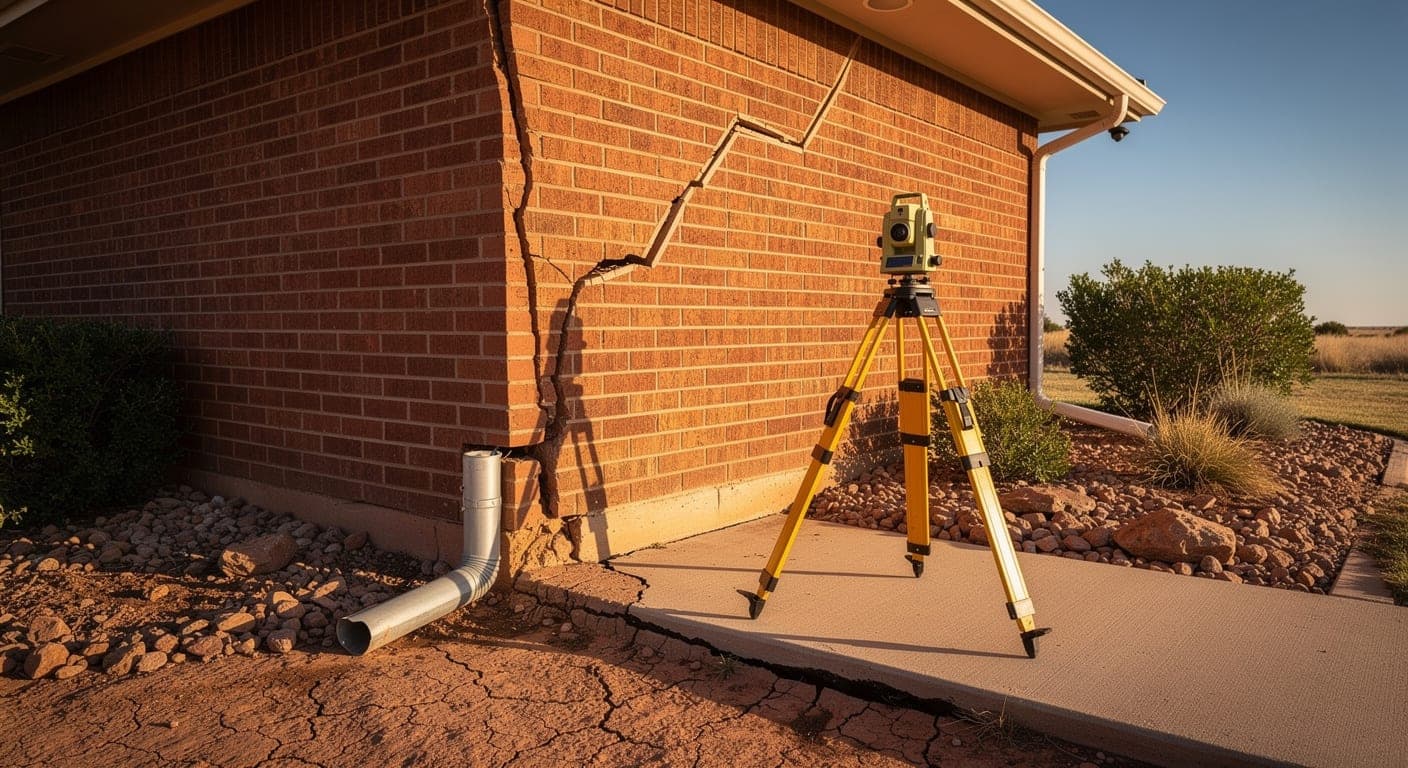
A structural engineer's foundation inspection in Lubbock typically costs $400 to $900 in 2026 for a full evaluation of a slab home with an elevation survey and a sealed report, and pier-and-beam homes, large homes, or an engineer traveling in from out of town can push it toward $1,500. A foundation repair company's inspection is usually free, and a home inspector's foundation opinion comes inside the general inspection fee. The three are not the same product. Only the engineer is licensed to tell you why the foundation moved and to design the fix, and only the engineer works for you alone.
On this page
- 01What a Foundation Inspection Costs in Lubbock (2026)
- 02Engineer vs Free Inspection vs Home Inspector: What Each One Checks
- 03What a Structural Engineer's Foundation Evaluation Includes
- 04How to Read an Elevation Map and Deflection Numbers
- 05The Lubbock Factor: Pullman Clay and a Dry Late Summer
- 06When to Get Each Kind of Foundation Inspection
- 07A Worked Example: A 1,800 Square Foot Lubbock Slab Home
- 08How an Engineer's Report Protects You With Contractors and Buyers
- 09Permits, Licenses, and Timeline in Lubbock
- 10How to Hire a Foundation Engineer and Get an Accurate Quote
- 11A Note from Nextgen Blueprint
- 12Frequently asked questions
What a Foundation Inspection Costs in Lubbock (2026)
Foundation inspection cost in Lubbock depends on who you call and what you need to know. A repair company will look for free because the visit leads to a repair quote. A home inspector covers the foundation as one item in a general inspection. A licensed professional engineer charges a fee because the product is an independent diagnosis with measurements, calculations, and a sealed report.
We found no Lubbock engineer who publishes a fee, so the ranges below are triangulated from Texas engineering firms that do (about $400 to $500 for a typical slab home in the Dallas and Houston markets), national cost data that puts the average near $600, and a Lubbock adjustment for travel and home size. Always ask for the fee in writing before the visit.
- Engineer evaluation, typical slab
- $400 to $900
- Repair company inspection
- Free
- Complex or pier-and-beam homes
- Up to about $1,500
| Inspection type | Typical cost | What you get |
|---|---|---|
| Foundation repair company inspection | Free | Walkthrough, floor-level readings, and a repair proposal |
| Home inspector (TREC license) | Included in the home inspection fee | Written opinion on foundation performance, visual only |
| Structural engineer evaluation, typical slab home | $400 to $900 | Elevation survey, cause, recommendations, sealed report |
| Engineer evaluation, pier and beam, large, or out-of-town | $900 to $1,500 | Same, plus crawl space work, more readings, or travel |
| Engineered repair plan, bid review, or post-repair letter | Quoted separately | Pier layout and specs, or a letter confirming the finished work |
Engineer vs Free Inspection vs Home Inspector: What Each One Checks
The difference is not how carefully each person looks. It is what each one is licensed to conclude and whose interest the visit serves.
Texas law defines the practice of engineering to include investigation, evaluation, analysis, and providing an expert engineering opinion, so a sealed opinion on why a foundation moved and how to fix it comes from a licensed professional engineer. A repair company's inspector can measure floors and explain what the company would install, and many do a careful job, but the visit ends in a proposal from the firm that would be paid to do the work.
A home inspector licensed by the Texas Real Estate Commission must render a written opinion on the foundation's performance and report signs such as binding doors, sloping floors, and cracked brick. The same standards say the inspector is not required to determine causes, take elevation measurements, or provide engineering services.
| Question | Repair company | Home inspector | Structural engineer |
|---|---|---|---|
| License behind the opinion | None required for a sales visit | TREC inspector | Texas PE, with a sealed report |
| Floor elevations | Usually | Not required | Yes, a full relative survey |
| Finds the cause | Gives an opinion | Not required | Yes, including drainage and plumbing |
| Designs the repair | Proposes its own | No | Yes, if you hire the repair plan |
| Paid by | The repair job | You | You |
| Cost | Free | Included in the inspection | $400 to $900 typical |
What a Structural Engineer's Foundation Evaluation Includes
Texas engineers who evaluate houses work from the Texas Section of the American Society of Civil Engineers' Guidelines for the Evaluation and Repair of Residential Foundations, now in Version 3, effective April 1, 2022. The section itself says these are guidelines, not standards, and that they do not replace engineering judgment. A full evaluation under them, often called a Level B evaluation, usually covers:
- An interview about the home's history: when cracks appeared, past repairs, leaks, and watering habits.
- A walk of the interior and exterior to record cracks, door fit, brick separations, and trim gaps.
- A relative elevation survey: readings taken across the floor with a digital level and plotted on a floor plan.
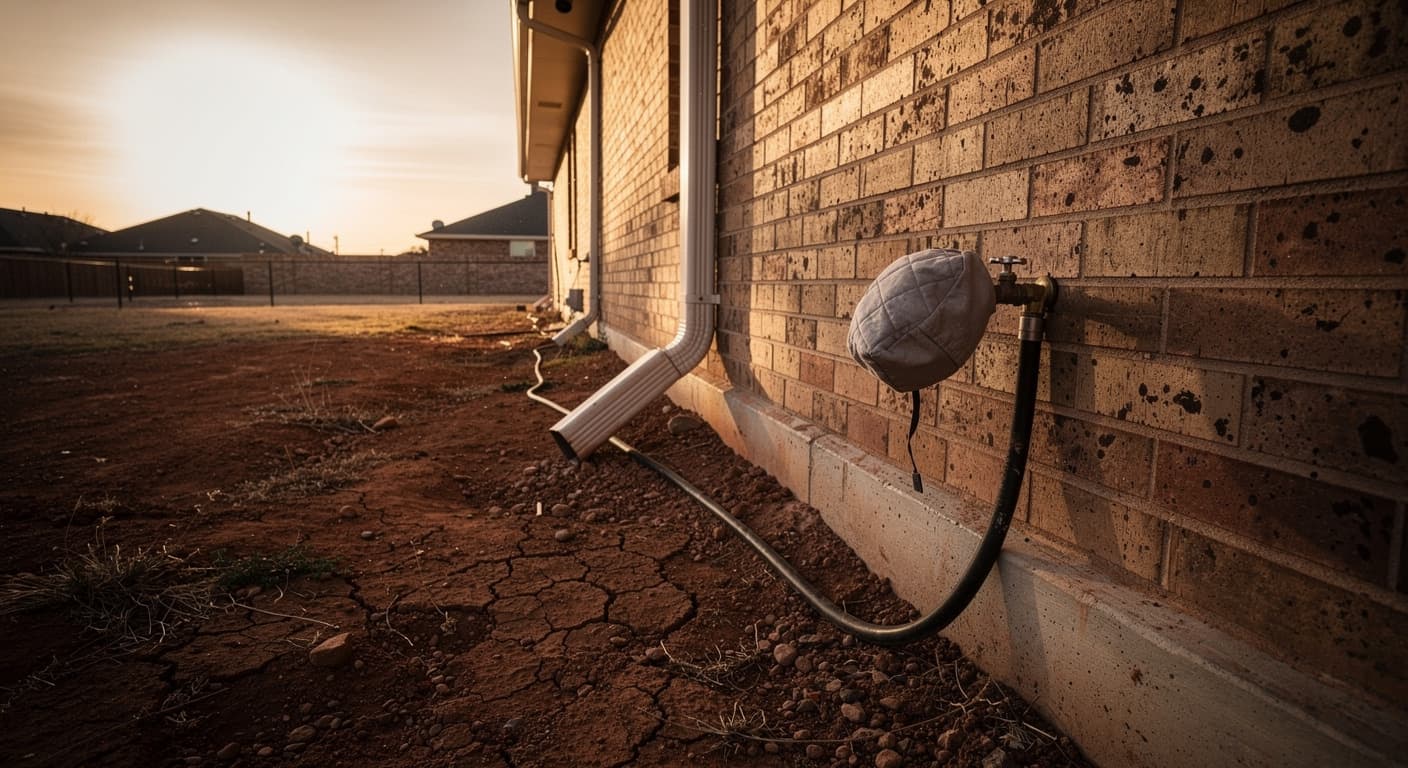
- A look at lot drainage, gutters, downspouts, trees, and flower beds against the slab.
- Tilt and deflection calculations from the survey.
- A conclusion about the cause and whether the movement needs repair, drainage work, or monitoring.
- A written report sealed by the engineer, often within a day or a few days of the visit.
How to Read an Elevation Map and Deflection Numbers
The survey is the heart of the report. The engineer picks a reference point on the floor, calls it 0.0, and records every other reading as inches above or below it. The plot shows those numbers on your floor plan, often with contour lines connecting equal elevations. Tight, crowded contours mean the floor changes height quickly there.
Two numbers come out of the plot. Tilt is the overall slope of the slab in one direction, and it does not bend the concrete. Deflection is curvature: how far the floor sags or humps away from a straight line drawn between two points. Curvature is what tends to crack drywall and brick. Engineers in Texas commonly screen slabs against a tilt of 1 percent, which is 1 inch in 100 inches, and a deflection of L/360, where L is the length being measured. Over a 30 foot line, L/360 is 360 inches divided by 360, or 1 inch.
Those figures are screening criteria, not pass or fail rules. A new slab is not poured perfectly level, and one survey only shows where the floor is today. That is why the engineer weighs the numbers against the cracks, the doors, and the drainage, and why a second survey months later is the strongest evidence of whether the house is still moving.
- Common tilt screen
- 1 percent (1 inch in 8 feet 4 inches)
- Common deflection screen
- L/360
- L/360 over 30 feet
- 1 inch
The Lubbock Factor: Pullman Clay and a Dry Late Summer
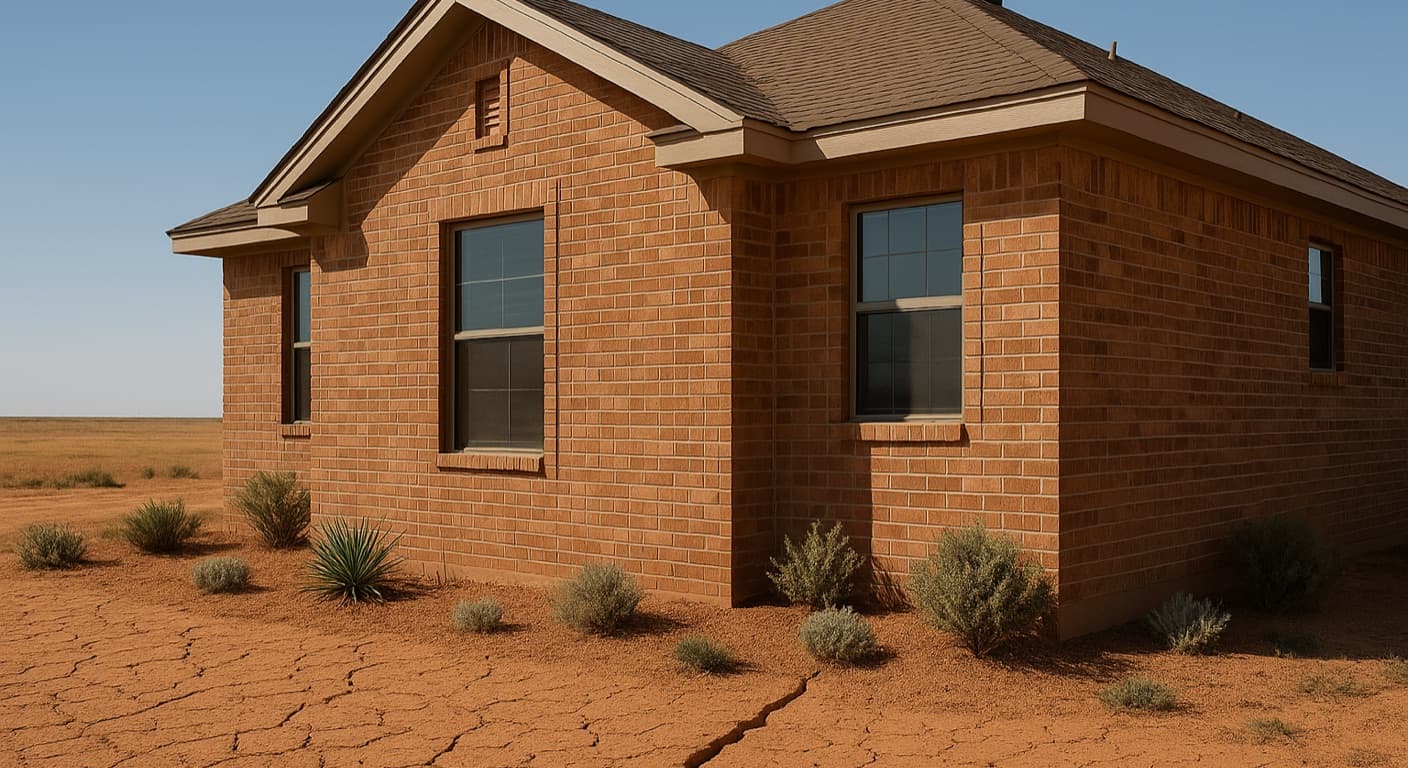
Much of the Lubbock area sits on clay-rich soils such as the Pullman series, which the USDA describes as having cracks at least 5 millimeters wide extending from the surface to about 33 inches deep when dry, above a caliche layer 30 to 60 inches down. That clay swells when wet and shrinks when dry, and a slab rides the cycle.
The summer of 2026 showed how fast it can turn. The National Weather Service recorded 0.24 inches of rain at Lubbock in August, 1.50 inches below the 1.74 inch normal, with 31 days at 90 degrees or hotter and a high of 107 on August 24. Cracks that open in a dry August and close after a wet spring are the classic Lubbock pattern, and they make September a good month to walk the house and look.
Timing matters for the survey too. A reading taken at the end of a dry spell can look worse than the same house in May. Tell the engineer about recent weather, watering, and any leaks, and if the call is close, a second survey after the soil moisture changes is often worth more than a quick repair.
When to Get Each Kind of Foundation Inspection
Match the inspection to the question you need answered. The free visit is the right first step more often than people think, and the engineer is the right step whenever money, a sale, or a dispute rides on the answer.
- Buying a home: the home inspector covers the foundation first. If the report flags adverse performance, hire an engineer during your option period, before you negotiate or close.
- New cracks after a dry summer: watch and mark them, then start with a free inspection. If the proposal is more than a few thousand dollars, get an engineer before you sign.
- Doors that stopped latching or floors you can feel slope: go straight to an engineer, since the repair is likely large enough to justify an independent plan.
- Before a remodel or addition: a baseline survey shows whether the slab is stable before you tie new work into it.
- After a repair: a final engineer's letter and a post-repair survey document what was done for you and the next buyer.
- Selling a home with past repairs: gather the original report, the repair records, and any final letter before you list.
A Worked Example: A 1,800 Square Foot Lubbock Slab Home
Take a hypothetical 1,800 square foot, 1970s brick ranch on a slab, about 60 by 30 feet, with new drywall cracks off two bedroom door corners after August. A downspout empties against the back corner.
A free repair-company visit might propose eight piers along the back wall, a job in the $5,000 to $15,000 range for a moderate slab repair. An engineer's evaluation at $400 to $900 measures the floor instead. Say the back corner reads 2.0 inches below the reference point. Across the 60 foot length, that is 2 inches in 720 inches, a tilt under 0.3 percent, well inside the 1 percent screen. But one 30 foot line bows 1.6 inches off straight, and 360 inches divided by 1.6 is about L/225, past the L/360 screen.
The report might then call for drainage correction at that corner, which runs $2,000 to $8,000, plus a smaller pier repair at the curved section only, with a second survey to confirm. Whether the fee saves money depends on the house, but it replaces a guess with a number, and the drywall repair waits until the structure is stable.
How an Engineer's Report Protects You With Contractors and Buyers
A sealed report changes the conversation with a repair company. Instead of choosing between three different pier counts, you ask each company to bid the engineer's plan, and the quotes become comparable. Many engineers will also review bids, observe the work, and write a final letter that the repair matches the plan, usually for a separate fee.
The report matters at sale time too. Texas sellers of a single-family home must give buyers a written disclosure notice, and it asks about known defects in structural components. A report, repair records, and a final engineer's letter answer the questions a buyer's inspector will raise.
For insurance, standard Texas policies generally exclude settling and soil movement, so a report that identifies a cause such as a plumbing leak can matter. Our foundation repair guide covers the coverage rules. This is general information, not legal or insurance advice, so talk with your agent.
Permits, Licenses, and Timeline in Lubbock
The City of Lubbock requires a permit before the construction, alteration, or repair of a building when the work is regulated by the city's adopted codes. As of September 2026, the city's Building Safety FAQ does not single out foundation repair, so ask the Building Safety department whether your repair needs a permit, and whether it wants an engineer's documents, before work starts.
Check licenses the easy way. Every Texas professional engineer can be looked up by name or license number on the Texas Board of Professional Engineers and Land Surveyors' public roster, and only an active license counts. Most evaluations take about 1 to 2 hours on site, and reports usually follow within a few business days. A repair plan, bids against it, and any permit add time, so do not wait until the week before closing to call.
How to Hire a Foundation Engineer and Get an Accurate Quote
Ask these questions before the visit, and the fee and the report will hold no surprises:
- Is the evaluation a full survey with elevations, calculations, and a sealed report, or a visual consultation?
- Does the engineer follow the Texas ASCE guidelines, and will the report include the elevation plot?
- What does the fee include, and what do a repair plan, bid review, site observation, and final letter cost?
- Does the engineer have any financial tie to a repair company? You want an answer of no.
- Is the license active on the state roster?
- For the repair itself, ask each contractor to bid the same plan, and use our guide to choosing a reliable contractor.
A Note from Nextgen Blueprint
This guide was researched and published by Nextgen Blueprint, a Lubbock design-build contractor. We offer a free foundation inspection: a soil and drainage read, a structural walkthrough, floor-level readings, photos, and a written report of what we found. It is a contractor's assessment, not an engineer's sealed report, and when a job calls for an engineer we will say so. Treat the fees here as 2026 Lubbock budgeting ranges, accurate as of September 2026, not quotes. Our foundation repair team handles the structural work and the drywall, doors, and trim afterward, and the maintenance calendar covers foundation watering on the City's schedule.
Frequently asked questions
How much does a foundation inspection cost in Lubbock, TX?
Is a free foundation inspection worth it?
Do I need a structural engineer for foundation repair in Texas?
Does a home inspector check the foundation in Texas?
How much foundation movement is acceptable?
Should I get a foundation inspection before buying a house in Lubbock?
What is a foundation elevation survey?
How long does a foundation engineer inspection take?
Sources and further reading
- [1]Texas Section ASCE: Residential Foundations Guidelines
- [2]Texas Occupations Code 1001.003: Practice of Engineering
- [3]Texas Administrative Code 22 TAC 535.228: Standards of Practice, Structural Systems
- [4]Texas Administrative Code 22 TAC 535.227: Standards of Practice, General Provisions
- [5]Texas Board of Professional Engineers and Land Surveyors: PE Roster Search
- [6]City of Lubbock Building Safety: FAQs
- [7]National Weather Service Lubbock: Monthly Climate Report
- [8]USDA NRCS: Pullman Series Official Soil Description
- [9]Advanced Foundation Repair: How Much House Foundation Movement Is Acceptable in Texas
- [10]Nevins Engineering: Structural Foundation Evaluations
- [11]Crosstown Engineering: The Process of Foundation Repair
- [12]This Old House: How Much Does a Foundation Inspection Cost?
Written by
John Paul, Founder, Nextgen Blueprint
John Paul founded Nextgen Blueprint with his father-in-law, a Lubbock-area general contractor with 30+ years of experience. They build healthy, natural homes for Lubbock families, and approach every project with the kind of care and attention to detail most contractors save for their own home.
More from JohnRelated services
Filed under Cost Guides. What home projects actually cost in Lubbock, line by line.