Homeowner Guides12 min read
The Lubbock Home Maintenance Calendar: What to Do Each Season on the South Plains
A season-by-season home maintenance checklist built for Lubbock: freeze prep, pre-hail roof and AC checks, foundation watering on the City's schedule, dust-season filters, and hard-water upkeep.
Here is the Lubbock home maintenance calendar in brief: in winter, protect pipes before hard freezes and keep foundation soil evenly moist; in spring, inspect the roof and gutters and service the AC before hail season starts in April; in summer, water the foundation on your City watering days and check filters monthly through the dust; and in fall, finish storm repairs, recaulk, flush the water heater, and winterize irrigation before the average first freeze around October 31. Keeping up takes a few weekends a year and heads off the big bills: foundation repair in Lubbock commonly runs $3,000 to $10,000, and a new architectural shingle roof $8,000 to $13,000.
On this page
- 01Your Lubbock Home Maintenance Calendar at a Glance
- 02The Lubbock Factor: Clay Soil, Hail, Dust, Sun, and Hard Water
- 03Winter (December Through February): Pipes, Heat, and Dry Soil
- 04Before a Hard Freeze: The Night-Before Checklist
- 05Spring (March Through May): Roof, Gutters, and AC Before Hail Season
- 06Summer (June Through August): Dust, Drought, and Foundation Watering
- 07Fall (September Through November): Repairs, Gin Dust, and Hard-Water Upkeep
- 08Every Month, Year-Round
- 09What to DIY and When to Call a Pro
- 10A Note from Nextgen Blueprint
- 11Frequently asked questions
Your Lubbock Home Maintenance Calendar at a Glance
The calendar is built around four local turning points: the last spring freeze, the start of hail season, the summer dry-down, and the first fall freeze.
- Average last spring freeze
- April 10
- Average first fall freeze
- October 31
- Peak hail season
- April through June
| Season | Key tasks | Why it matters in Lubbock |
|---|---|---|
| Winter (Dec to Feb) | Protect pipes and hose bibs, service the heat, water the foundation on mild dry days | Hard freezes, multi-day cold snaps, and only about 2 inches of precipitation all winter |
| Spring (Mar to May) | Inspect roof and gutters, service the AC, trim trees, take baseline photos | Hail season runs April through June, with frequent wind and dust |
| Summer (Jun to Aug) | Check filters monthly, water the foundation on assigned days, inspect paint and caulk | July highs average about 93 degrees, and drying clay pulls away from slabs |
| Fall (Sep to Nov) | Finish storm repairs, recaulk, flush the water heater, winterize irrigation | Ginning dust arrives in October, and the first freeze averages October 31 |
The Lubbock Factor: Clay Soil, Hail, Dust, Sun, and Hard Water
National checklists assume steady rain, mild sun, and soft water. Lubbock has none of the three.
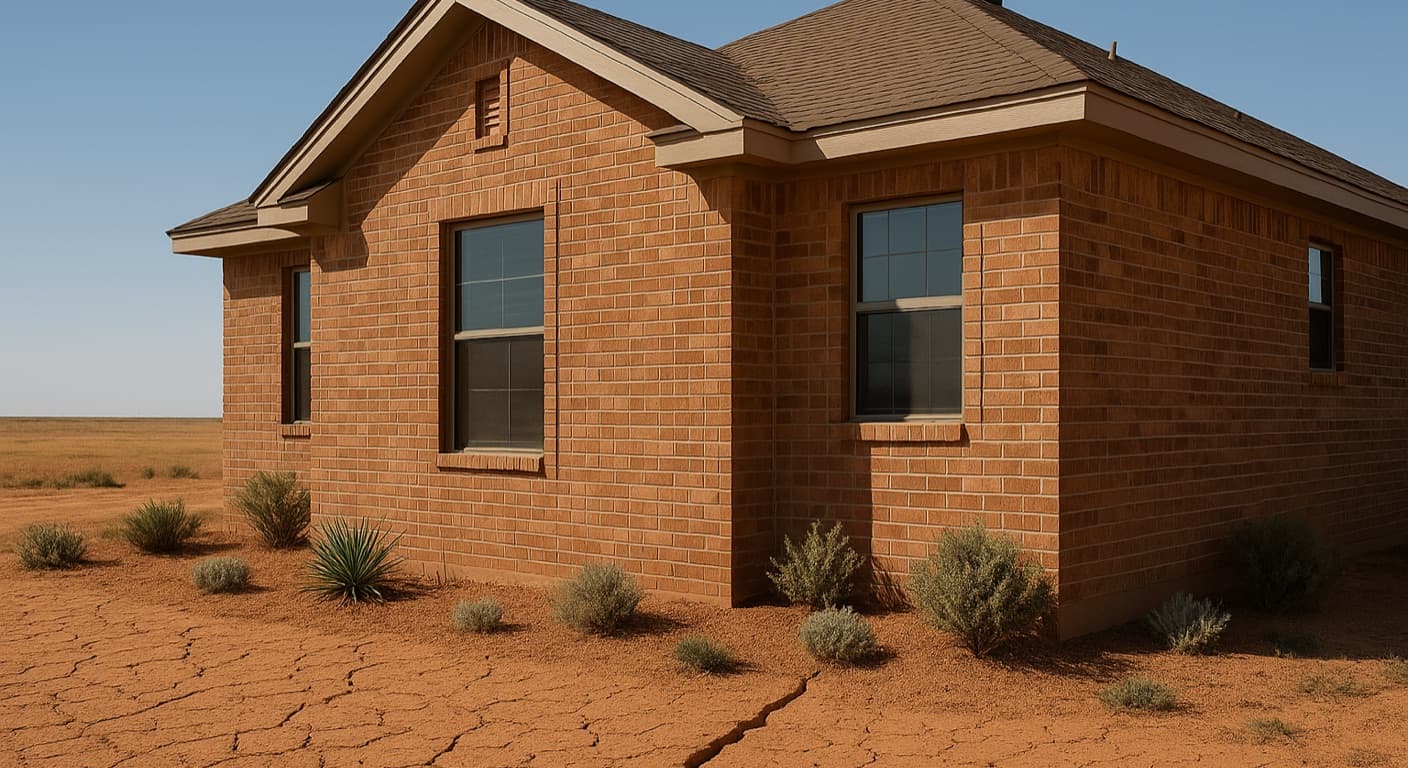
Soil comes first. Much of the city sits on expansive clay soils in the Pullman, Olton, and Acuff series, which swell when wet and shrink when dry, and the slab moves with them, so evenly moist soil is the cheapest foundation protection there is. Hail season runs April through June, and wind events of 60 to 100 mph test shingles, fences, and limbs. Dust arrives on the wind: NWS Lubbock logged four wind-and-dust events between February 17 and March 27 of 2026 alone, and fall harvest adds gin dust. At roughly 3,250 feet, the sun breaks down paint, caulk, and shingles faster than their labels suggest. And the water is hard, about 10 to 11 grains per gallon on average in the City's recent reports, scaling up water heaters and fixtures all year.
Winter (December Through February): Pipes, Heat, and Dry Soil
Lubbock winters swing hard. The winter of 2025 to 2026 was the warmest on record here, yet a late-January Arctic outbreak dropped the airport to minus 2 degrees on January 26 and kept it below freezing for almost four straight days. In February 2021, the city spent seven consecutive days at or below freezing, tied for the second-longest stretch on record. Prepare for a hard freeze every winter, however mild the forecast. If a long outage would leave you without heat, our generator installation cost guide compares standby and portable backup.
Winter is also the driest season, with December through February averaging only about 2 inches of precipitation combined, so the clay under your slab can shrink while nobody is watering.
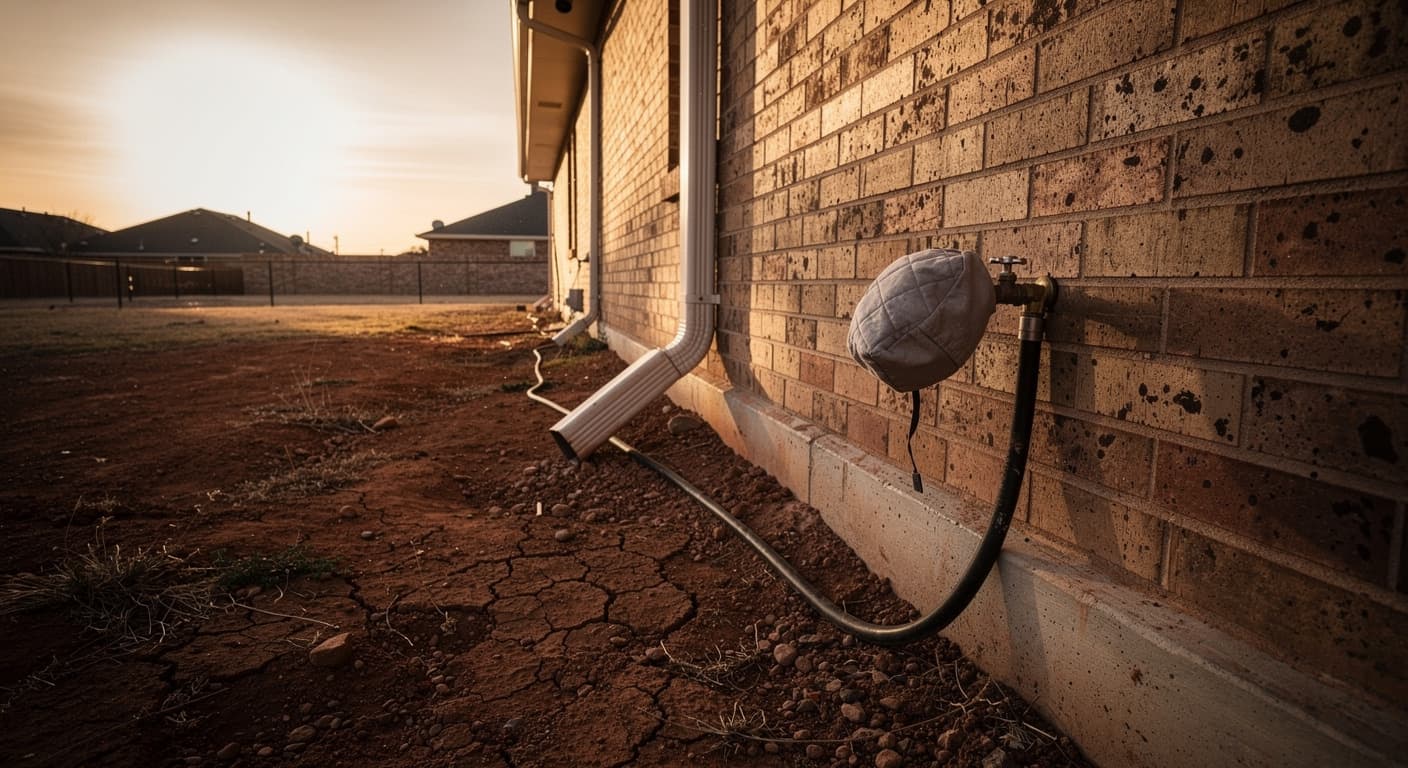
- Keep hoses disconnected, hose bibs covered, and the irrigation backflow preventer insulated and covered, as the City of Lubbock's winterization guide recommends.
- Insulate exposed pipes in the garage, attic, and exterior walls. On pier-and-beam houses, more common in older neighborhoods, insulate pipes under the house and cover the crawl space vents.
- Replace the furnace filter, and book the heating checkup if you skipped it in the fall.
- Test carbon monoxide alarms if you have a gas furnace, water heater, or fireplace.
- Find your main water shutoff and make sure it turns. The City suggests shutting off water at the meter when you leave town.
- On mild, dry days, give the foundation a slow soak on your assigned watering day. City rules do not allow irrigation below 35 degrees.
Before a Hard Freeze: The Night-Before Checklist
When a hard freeze is in the forecast, work through this list the afternoon before. It takes well under an hour. If a pipe freezes or bursts anyway, our frozen pipes guide covers thawing, shutoffs, and insurance.
- Disconnect and drain every garden hose, and cover the hose bibs.
- Shut off the sprinkler system at the main irrigation valve, open the drain, and set the controller to off.
- Wrap the backflow preventer in insulation and a weatherproof cover.
- Open sink cabinets on exterior walls so warm air reaches the pipes.
- On the coldest nights, let a faucet on an exterior wall drip.
- Keep the garage door closed and the thermostat at its normal setting overnight.
- Leaving town? Shut off the water at the main or the meter, and leave the heat on.
Spring (March Through May): Roof, Gutters, and AC Before Hail Season
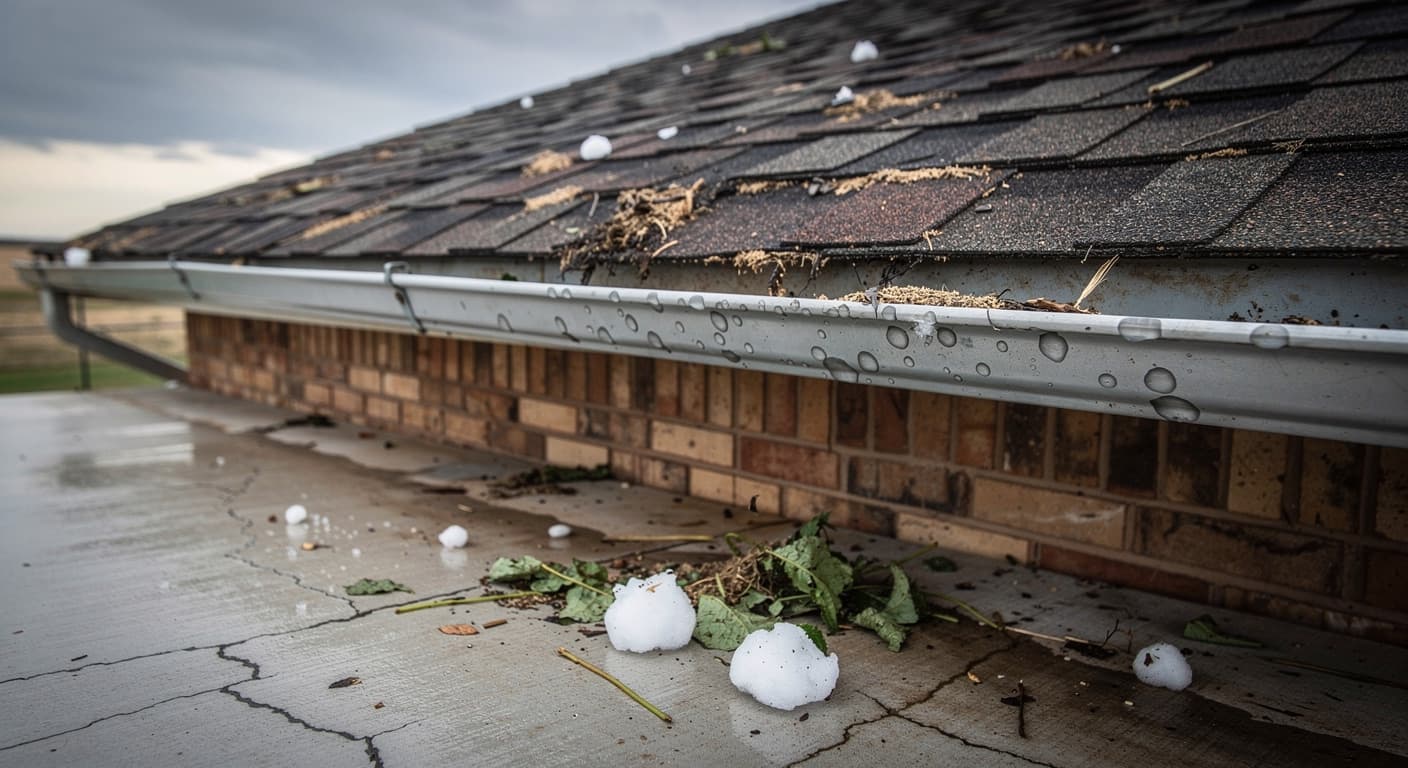
Spring is when you get ahead of hail. The average last freeze is around April 10 and hail season starts in April, so March is the window to check the roof before the first big storm. Look from the ground with your phone's zoom, and have a roofer take a closer look if the roof is more than about 10 years old; the Texas Department of Insurance suggests a roof inspection every few years. Make sure downspouts discharge a few feet from the slab, because roof water dumped at the foundation is one of the most common causes of clay-soil movement here.
Call your agent, too, and confirm your wind and hail deductible and whether the roof is covered at replacement cost or actual cash value. If a storm hits, our hail damage checklist walks through what to do, and our roof replacement cost guide covers what a new roof runs.
- Clean gutters after the late-winter wind, and replace missing or lifted shingles.
- Schedule the AC checkup before the first hot week. Energy Star recommends a cooling checkup each spring and a heating checkup each fall.
- With the power off at the disconnect, gently hose the dust out of the outdoor AC coil.
- Trim dead limbs and branches hanging over the roof.
- Start up the sprinklers, fix broken heads, and set the controller to your City watering days.
Summer (June Through August): Dust, Drought, and Foundation Watering
July highs in Lubbock average about 93 degrees, and when the rain stops, the clay around your slab dries and pulls away. Steady watering is the fix, and it has to fit the City's rules. The City of Lubbock allows landscape irrigation on two assigned days a week based on the last digit of your address, with no irrigation on Sundays, and hand watering is allowed any day, any time. From April 1 through September 30, the City also recommends watering between midnight and 10 a.m. or 6 p.m. and midnight, in short cycles of 3 to 4 minutes, 4 to 5 times, so water soaks in instead of running off.
The rules do not single out foundation soaker hoses, so the safe approach is to run them on your assigned days for about 15 to 30 minutes and confirm the current rules at mylubbock.us/irrigation. Our foundation repair cost guide explains what happens when the soil keeps moving.
- Check HVAC filters monthly, and change them when they look gray.
- Lay soaker hoses 12 to 18 inches out from the slab, not against it, and run them on your days in the schedule below.
- Walk the south and west walls for cracked caulk, peeling paint, and sun-split trim.
- Clean the dryer vent, and make sure attic vents are not blocked.
- Check the ceilings after summer storms, since pop-up storms can bring hail too.
| Address ends in | Your watering days |
|---|---|
| 0, 3, 4, or 9 | Monday and Thursday |
| 1, 5, or 6 | Tuesday and Friday |
| 2, 7, or 8 | Wednesday and Saturday |
Fall (September Through November): Repairs, Gin Dust, and Hard-Water Upkeep
Fall is repair and prep season. Finish any hail or wind repairs from spring before winter, and if a replacement cost claim is open, check how long your policy gives you to complete the work and collect the held-back depreciation.
Cotton harvest and ginning around Lubbock usually get going in mid to late October, and gin and field dust ride the fall wind into attics, filters, and window tracks. If dust is a constant fight, HEPA filtration captures 99.97 percent of 0.3 micron particles, and our whole-house air purification guide covers the options.
- Change filters more often through ginning season, and schedule the heating checkup.
- Recaulk around windows, doors, and siding penetrations, and replace worn weatherstripping and door sweeps.
- Touch up peeling trim paint while it is still warm enough for paint to cure; our house painting cost guide covers a full repaint.
- Drain or flush the water heater to clear hard-water sediment, at least once a year here.
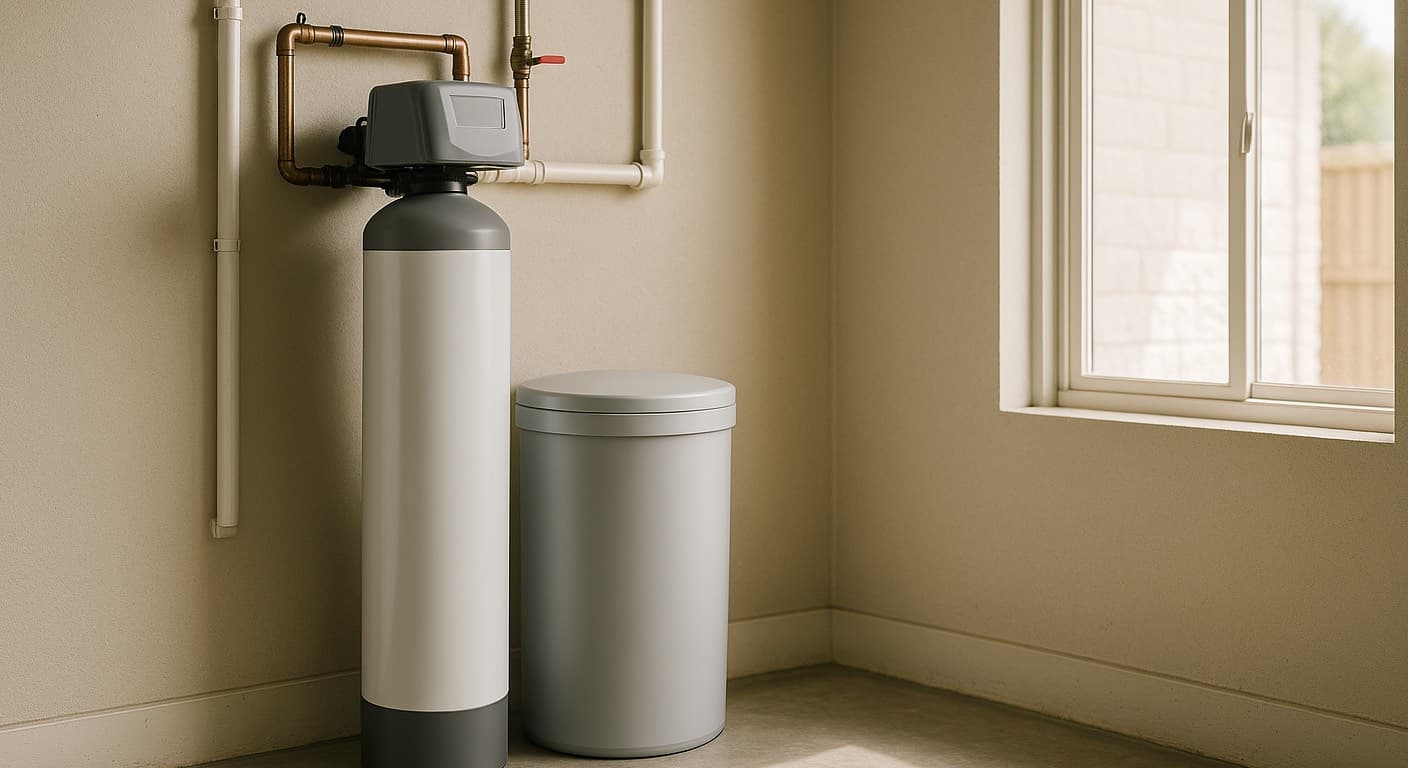
- Top off softener salt, and expect to refill roughly every six to eight weeks; our water softener cost guide covers sizing for Lubbock water.
- Clean gutters after the leaves drop, and winterize the sprinklers before the average first freeze around October 31.
Every Month, Year-Round
A few habits cost nothing and catch problems early. Put them on the first weekend of each month.
- Check the HVAC filter. Energy Star recommends a monthly look.
- Test smoke alarms. The U.S. Fire Administration says to test them monthly, replace batteries yearly, and replace the alarms every 10 years.
- Check the softener salt level.
- Run the City's meter leak test: shut off all water, read the meter, wait 15 minutes, and read it again. If it moved and the softener is not regenerating, look for a leak.
- Watch for new diagonal cracks at drywall corners, doors that start to stick, or gaps between soil and slab, the early signs of foundation movement.
What to DIY and When to Call a Pro
Most of this calendar is homeowner work: filters, hoses, one-story gutters, caulk, and watering. A few jobs belong to a pro, for safety or because a trained eye catches what you would miss.
- Anything on the roof itself. Inspect from the ground and leave the walking to a roofer.
- Gas furnace and water heater service, where combustion and venting need checking.
- Frozen or leaking supply lines, and new outdoor outlets or circuits.
- Foundation cracks that keep growing season to season. We offer free foundation inspections.
- Two-story gutters and limbs near power lines.
A Note from Nextgen Blueprint
This calendar was researched and published by Nextgen Blueprint, a Lubbock design-build contractor, using NWS Lubbock climate records, the City of Lubbock's current watering rules, and what we see on South Plains homes year after year. It is a general guide, not an inspection of your home, and City rules can change, so confirm your watering days before you set a timer. The dates and rules were accurate as of September 2026. If a seasonal check turns up a problem, we handle roofing, foundation repair, plumbing, drywall, and painting under one contract, with every quote itemized in writing.
Frequently asked questions
What home maintenance should I do each season in Lubbock?
When should I winterize my sprinkler system in Lubbock?
How do I keep pipes from freezing in Lubbock?
What are the City of Lubbock watering days?
How often should I water my foundation in Lubbock?
How often should I change my air filter in Lubbock?
How often should I flush my water heater with Lubbock's hard water?
Do I need to water my foundation in winter in Lubbock?
Sources and further reading
- [1]NWS Lubbock: Freeze records for Lubbock
- [2]NWS Lubbock: Record cold stretches for Lubbock
- [3]NWS Lubbock: January 23 to 26, 2026 winter storm summary
- [4]City of Lubbock: Spring and summer irrigation recommendations and restrictions
- [5]City of Lubbock: Water conservation, irrigation, and winterization
Written by
John Paul, Founder, Nextgen Blueprint
John Paul founded Nextgen Blueprint with his father-in-law, a Lubbock-area general contractor with 30+ years of experience. They build healthy, natural homes for Lubbock families, and approach every project with the kind of care and attention to detail most contractors save for their own home.
More from JohnRelated services
Filed under Homeowner Guides. Practical playbooks for owning a home on the South Plains.