Homeowner Guides14 min read
Lubbock, TX Building Permits: What Needs One, Fees, and How to Apply (2026)
Which Lubbock home projects need a building, electrical, plumbing, or mechanical permit, which do not, how the City figures fees, how to apply online, who may pull a permit, and how the county, Wolfforth, and Shallowater differ.
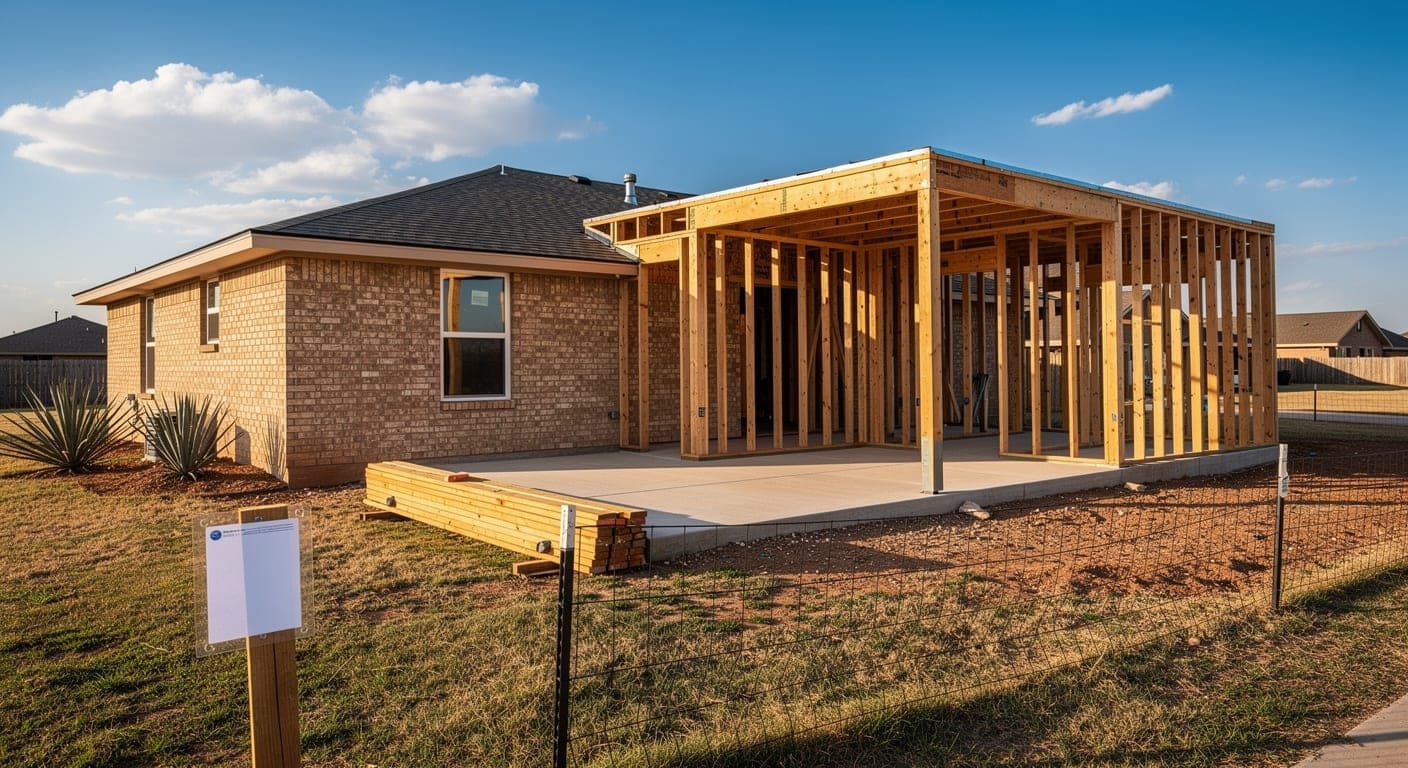
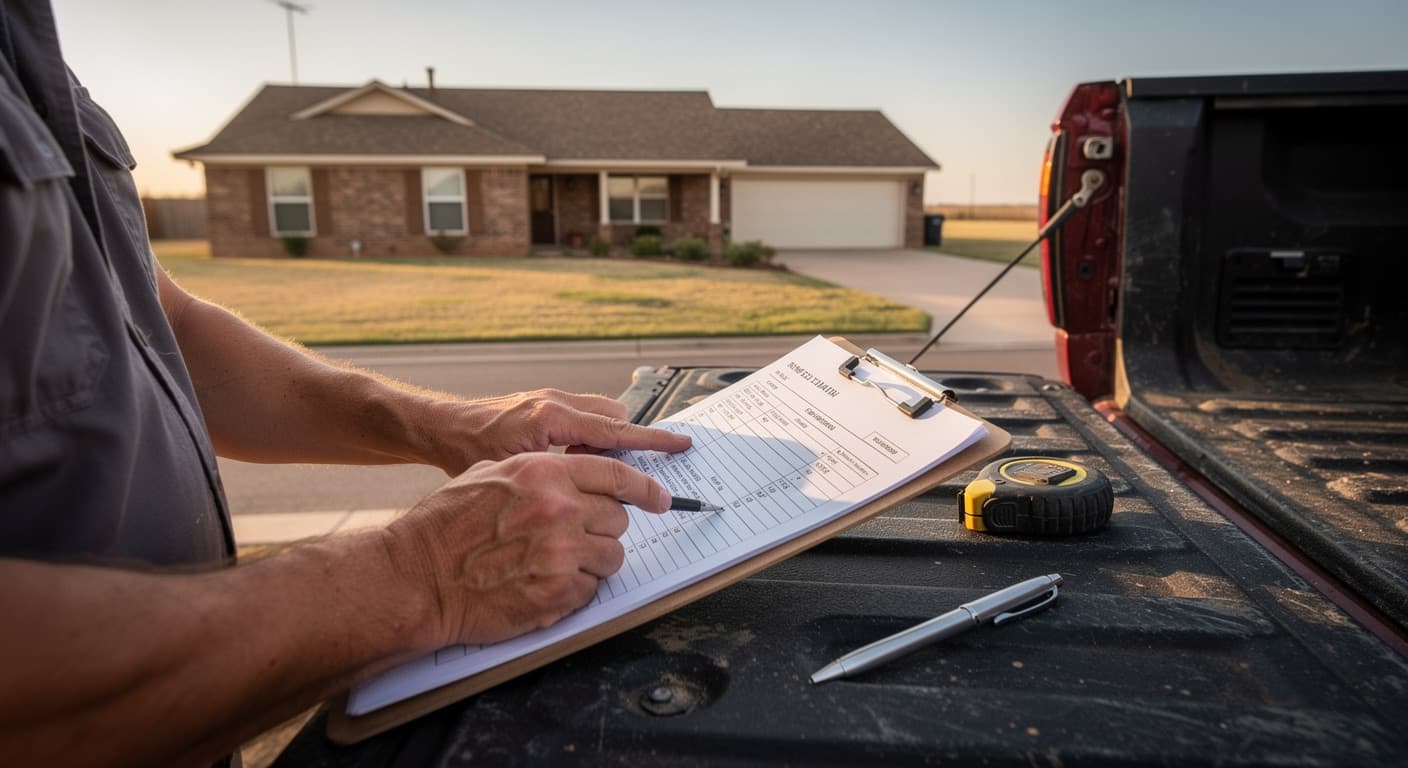
Inside Lubbock city limits, you need a building permit for any addition, any accessory building over 200 square feet, a new roof, a carport, a pool, and any remodel that changes structure, wiring, plumbing, or ductwork, plus a trade permit to replace a water heater or HVAC equipment. Finish work such as paint, flooring, cabinets, and countertops does not need one, and neither does a driveway or patio poured inside your property line. Under the City's 2025 to 2026 fee schedule, most permits start at a $75 minimum, a reroof permit is $75, and new homes and additions are charged $0.15 per square foot. This guide covers what needs a Lubbock building permit, who may pull it, how to apply online, how inspections work, and how the county and nearby towns differ.
On this page
- 01Do You Need a Building Permit in Lubbock? Project by Project
- 02Building, Electrical, Plumbing, and Mechanical Permits Explained
- 03Projects That Usually Do Not Need a Permit in Lubbock
- 04Who Can Pull a Building Permit: Homeowner or Contractor?
- 05How to Apply for a Lubbock Building Permit Online
- 06Lubbock Building Permit Fees: How They Are Calculated in 2026
- 07Inspections, Timelines, and When a Permit Expires
- 08Unpermitted Work: Penalties, Fixes, and Selling Your Home
- 09Outside City Limits: Lubbock County, Wolfforth, and Shallowater
- 10A Note from Nextgen Blueprint
- 11Frequently asked questions
Do You Need a Building Permit in Lubbock? Project by Project
The City of Lubbock's Building Safety department sorts residential work into two groups. Anything that adds space, changes structure, or touches the electrical, plumbing, gas, or mechanical systems needs a permit and inspection. Cosmetic and minor repair work does not. The table below summarizes what the City publishes on its Residential Permitting page, its FAQs, and its building code, as of October 2026, for homes inside city limits.
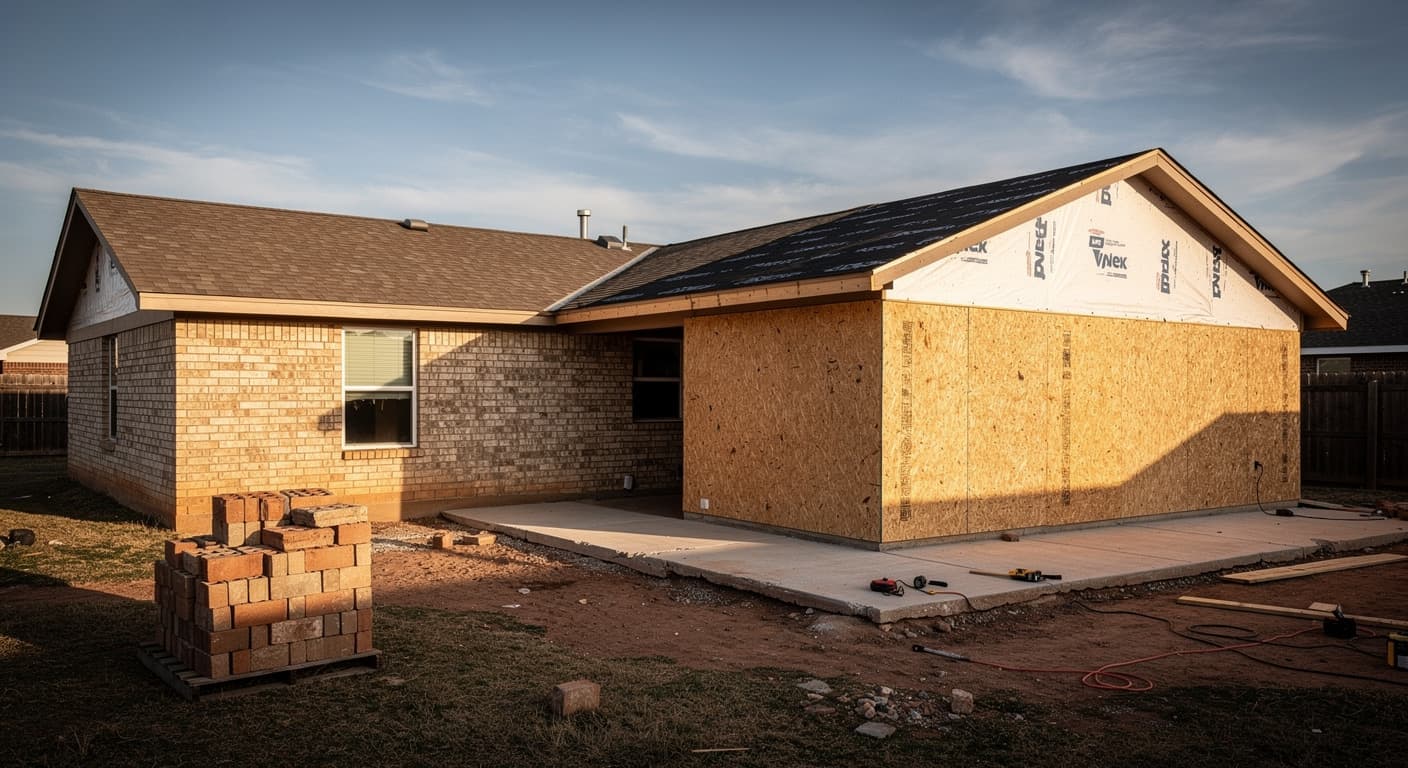
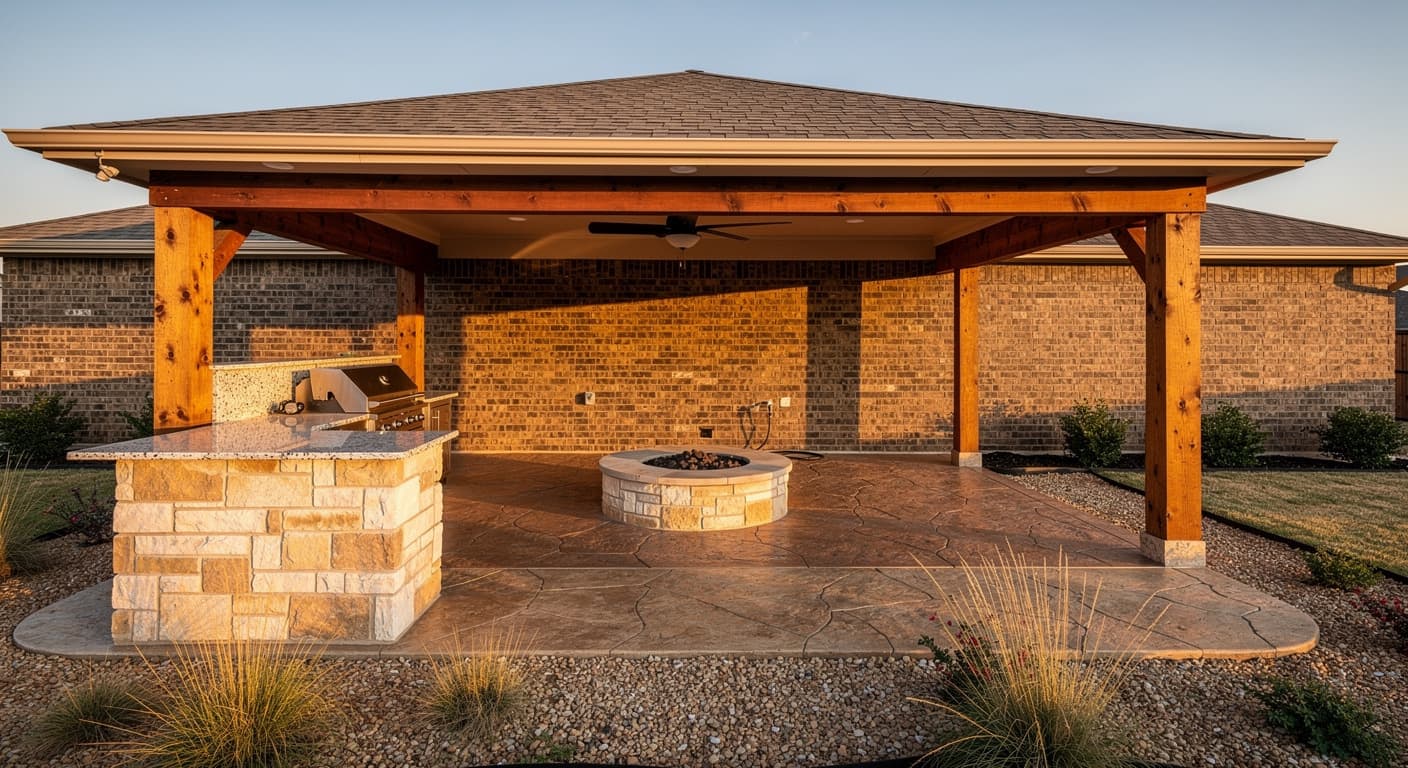
Two rules catch people most often. First, the City treats any structure attached to your house as an addition, regardless of size, so an attached patio cover or a small mudroom needs a building permit with plan review, the same as a bedroom wing. Second, replacing equipment counts. A like-for-like water heater, furnace, or air conditioner swap still needs a permit, even though nothing about the house changes.
- Detached building permit threshold
- Over 200 sq ft
- Additions
- Permit required at any size
- Building Safety
- 806-775-2087
| Project | Permit needed inside city limits? | What the City requires |
|---|---|---|
| New home | Yes | Building permit with plan review, registered contractor, trade permits |
| Room addition or attached patio cover | Yes, any size | Building permit with plan review and a registered contractor |
| Shed or detached building, 200 sq ft or less | No building permit | Electrical, plumbing, or mechanical work still permitted; zoning still applies |
| Shed or detached building over 200 sq ft | Yes | Building permit, plan review, registered contractor |
| Remodel that removes walls or moves plumbing | Yes | Building permit plus trade permits for each system touched |
| New circuits or rewiring | Yes | Electrical permit from a licensed electrical contractor |
| Water heater, furnace, or AC replacement | Yes | Plumbing or mechanical permit and inspection |
| Reroof (tear off and replace shingles) | Yes | $75 roofing permit, final inspection, roof affidavit |
| Carport | Yes | Site plan, post footing details, inspections |
| Pool or spa over 24 inches deep | Yes | Plan review and a registered contractor |
| Driveway or patio inside your property line | Usually no | Permit if over 30 inches high, over a basement, or outside the property line |
| Paint, flooring, cabinets, countertops | No | Finish work is exempt |
Building, Electrical, Plumbing, and Mechanical Permits Explained
A Lubbock project can need more than one permit. The building permit covers structure: foundations, framing, roofs, and the plan review that comes with new space. Each trade then carries its own permit and inspection. Electrical permits cover new circuits, panels, and rewiring. Plumbing permits cover water heaters, gas lines, and moved or added supply and drain lines. Mechanical permits cover heating, cooling, and ductwork.
Simple, single-item jobs such as a water heater, a gas line, or a reroof are issued as generic permits. The City says generic permits take only a few minutes through the Citizen Self Service portal, and subcontractors with a card on file can request them on the permit line at 806-775-3158. A kitchen remodel that moves the sink, adds circuits for an island, and relocates a range hood duct could need a building permit plus all three trade permits, each pulled by the right licensed trade.
The City enforces the 2021 International Codes, including the International Residential Code, and the 2020 National Electrical Code. It adopted them on March 26, 2024, and began enforcing them on June 3, 2024.
Projects That Usually Do Not Need a Permit in Lubbock
The City's code exempts finish work, and its residential guidance exempts minor repairs. That still leaves room for surprises, because one added outlet or a moved drain can turn a cosmetic job into a permitted one. These projects generally do not need a permit inside city limits:
- Painting, wallpaper, tile, carpet, and other floor coverings, which our flooring cost guide covers in detail.
- New cabinets and countertops, as long as no plumbing or wiring moves.
- Minor repairs with replacement parts, such as a faucet or a damaged outlet.
- A detached shed or playhouse of 200 square feet or less with no electrical, plumbing, or mechanical work, though zoning setbacks still apply.
- A driveway, sidewalk, or patio slab inside your property line, unless it is more than 30 inches high or sits over a basement or underground structure.
Who Can Pull a Building Permit: Homeowner or Contractor?
The City issues permits to registered contractors, with one homeowner exception. According to the City's FAQs, you can pull your own structural, plumbing, and mechanical permits if you own the home, live in it, and it is your homestead, and only when you or an immediate family member do the work. Electrical permits must be obtained by a licensed electrical contractor or master electrician, even on your own home. If you own a rental, you can get building permits for structural work only, and licensed subcontractors must handle the plumbing, mechanical, and electrical work.
State law lines up with this. Texas Occupations Code Section 1301.051 lets a property owner do plumbing in their own homestead without a plumbing license, and the Texas Department of Licensing and Regulation says people who do electrical work on a dwelling they own and live in do not need a state electrician license. TDLR adds that municipal rules may override that exemption, and Lubbock's does.
Any building or general contractor working in the city must register with Building Safety and carry at least $100,000 in general liability insurance or a $20,000 compliance bond. Our guide to choosing a reliable contractor explains how to check registration and Texas trade licenses before you sign.
How to Apply for a Lubbock Building Permit Online
All City of Lubbock residential applications go through the Citizen Self Service (CSS) portal, which needs a registered account. The City requires the applicant to certify that they are the owner's legally authorized agent, which on most jobs means your contractor applies for you. Here is the sequence for a permit that needs plan review, such as an addition or a new home:
- Confirm the scope with Building Safety at 806-775-2087 and ask for a residential plans examiner if you are unsure what the job needs.
- Check zoning setbacks, easements, and any HOA approval before you finalize plans.
- Create or sign in to a CSS portal account, and register as a contractor first if you are one.
- Choose the application type: new one-family dwelling, addition, remodel or alteration, or accessory building.
- Upload the construction documents: a site plan, floor plan, foundation plan and details, and elevations, plus a survey certificate and energy code compliance for new construction.
- Answer plan review comments, then pay the permit fee, which is due when the permit is issued.
- Keep the approved plans on site and schedule each inspection as the work reaches that stage.
Lubbock Building Permit Fees: How They Are Calculated in 2026
Lubbock charges most residential building permits by the square foot, not by project value. Under the City's Building Safety fee schedule for October 1, 2025 through September 30, 2026, a new single-family home or duplex is charged $0.15 per square foot of gross floor area under roof, residential additions use the same rate, and every permit carries a $75 minimum. Remodels with no change in floor area are figured on the square footage of the work area. The residential roofing permit is a flat $75. The fee is paid when the permit is issued, and trade permits for electrical, plumbing, and mechanical work are charged separately.
The City sets these fees in its annual budget, and a new fiscal year began October 1, 2026, so check the current schedule on the Forms and Fee Schedule page before you budget. The examples below use the 2025 to 2026 rates.
The practical takeaway is that permit fees are small next to the project. A $75 to $400 building permit on a job that costs tens of thousands of dollars is not a reason to skip it, as our home addition cost guide shows.
- New home or addition
- $0.15 per sq ft under roof
- Minimum permit fee
- $75
- Reroof permit
- $75
| Project | How the fee is figured | Building permit fee |
|---|---|---|
| 2,000 sq ft home with a 500 sq ft garage | 2,500 sq ft under roof x $0.15 | About $375 |
| 400 sq ft bedroom addition | 400 sq ft x $0.15 = $60, below the minimum | $75 minimum |
| Reroof | Flat roofing permit | $75 |
| Water heater replacement | Generic plumbing permit | Per the current schedule |
Inspections, Timelines, and When a Permit Expires
Every permit ends in at least one inspection, and larger jobs move through several in the City's published order of inspections. You can schedule through the CSS portal or call 806-775-3159. The City says inspections called in by 7:30 a.m. are scheduled that business day, and later calls go to the next business day. Inspectors work 8:30 a.m. to 4:00 p.m. on days the City is open, with no weekend or after-hours inspections. Electrical, plumbing, and mechanical contractors must call in their own inspections.
The job site has to be open and the approved plans on site, or the inspection can fail and draw a reinspection fee. For reroofs, starting October 1, 2026, the contractor must submit a completed residential roof replacement affidavit to Building Safety before the final inspection can be scheduled.
The City does not publish a standard plan review time, so ask your contractor to build review time into the schedule. Once issued, a permit expires 180 days after the previous inspection, so a stalled project can lose its permit. Inspections check code minimums, not workmanship or finish quality.
- Same-day inspection cutoff
- 7:30 a.m. call-in
- Permit expires
- 180 days after the last inspection
- Inspection line
- 806-775-3159
Unpermitted Work: Penalties, Fixes, and Selling Your Home
The City is clear that permitted work must be approved before the work is performed, and it invites reports of contractors who cover up work without a permit or inspection. Failing to meet the City's adopted minimum standards is a Class C misdemeanor, and the fee schedule charges more for work started before a permit is issued. Work that was covered before it was inspected may also have to be exposed so it can be checked.
The bigger cost often shows up at resale. Texas Property Code Section 5.008 requires most sellers of a single-family home to give the buyer a written disclosure of the property's condition, and the Texas Real Estate Commission's Seller's Disclosure Notice (form 55-1, effective May 28, 2026) is the standard version. An addition, garage conversion, or rewiring job with no permit on record invites questions from the buyer and their inspector, and answering them in the middle of a sale is harder than answering them now.
If you bought a house with unpermitted work, or did some yourself, call Building Safety before you list it and ask how to get the work inspected. The City issues investigative permits, with their own fees and inspections, and a contractor can bring any deficient work up to code under a proper permit. This is general information, not legal advice, so talk with your real estate agent or a Texas attorney about disclosure.
Outside City Limits: Lubbock County, Wolfforth, and Shallowater
Permit rules change the moment you cross a city line, and many new homes and barndominiums around Lubbock sit in another jurisdiction. Wolfforth and Shallowater each run their own permit office, and both say builders are responsible for pulling permits. Wolfforth accepts applications only online through its public portal and enforces the 2021 International Codes and 2020 National Electrical Code as of October 1, 2024. Shallowater enforces the 2024 International Codes and requires a permit and inspection for projects larger than 200 square feet.
In unincorporated Lubbock County, there is no city building department. Texas Local Government Code Chapter 233 lets a county opt in to requiring new homes in unincorporated areas to meet the International Residential Code, with at least three third-party inspections (foundation, framing and mechanical, and completion), but it does not require county approval before construction. A septic system needs a permit to construct, install, alter, extend, or repair it under TCEQ rules, with narrow exceptions for single homes on 10 acres or more. Ask the county which rules apply to your lot before you buy, as our barndominium cost guide explains.
| Jurisdiction | Codes enforced | Who pulls permits | How to apply |
|---|---|---|---|
| City of Lubbock | 2021 International Codes, 2020 NEC | Registered contractors; homestead owners for some permits | CSS portal, 806-775-2087 |
| Wolfforth | 2021 International Codes, 2020 NEC | Builders | Online public portal only, 806-855-4134 |
| Shallowater | 2024 International Codes | Builders | City Hall, 806-696-4300 |
| Unincorporated Lubbock County | IRC only where the county opts in under state law | Builder arranges third-party inspections where required | Septic permit through the TCEQ-authorized office |
A Note from Nextgen Blueprint
This guide was researched and published by Nextgen Blueprint, a Lubbock design-build contractor. On our remodels, additions, and new homes, we pull the building permit as the registered contractor, and our licensed electrical and plumbing trades pull their own permits and meet the inspectors. Every rule and fee here was checked against City of Lubbock, Wolfforth, Shallowater, and Texas agency sources as of October 2026, but fees change with each budget year and Building Safety has the final word on your project. It is general information, not legal advice. If you are planning a project, our new construction and remodeling teams can tell you which permits it needs before you commit.
Frequently asked questions
Do I need a permit to remodel my house in Lubbock?
How much does a building permit cost in Lubbock, TX?
Can a homeowner pull their own permit in Lubbock?
Do I need a permit for a shed in Lubbock?
Do I need a permit to replace a water heater or AC unit?
How do I schedule a building inspection in Lubbock?
Do I need a building permit outside Lubbock city limits?
How long is a Lubbock building permit good for?
Sources and further reading
- [1]City of Lubbock Building Safety: Residential Permitting
- [2]City of Lubbock: Building Safety
- [3]City of Lubbock Building Safety: FAQs
- [4]City of Lubbock Building Safety: Permitting and Inspections
- [5]City of Lubbock: 2025 to 2026 Building Safety Fee Schedule
- [6]City of Wolfforth: Building Permits and Inspections
- [7]City of Shallowater: Building Inspections
- [8]Texas Department of Licensing and Regulation: Electrician exemptions
- [9]Texas Local Government Code Section 233.153: Building code standards in unincorporated areas
- [10]TCEQ: Getting a Permit for an OSSF, Such as a Septic System
- [11]Texas Real Estate Commission: Seller's Disclosure Notice
- [12]Texas Occupations Code Section 1301.051: Plumbing by property owner in homestead
Written by
John Paul, Founder, Nextgen Blueprint
John Paul founded Nextgen Blueprint with his father-in-law, a Lubbock-area general contractor with 30+ years of experience. They build healthy, natural homes for Lubbock families, and approach every project with the kind of care and attention to detail most contractors save for their own home.
More from JohnRelated services
Filed under Homeowner Guides. Practical playbooks for owning a home on the South Plains.